
Off the Path: Research for Writers
Every true story eventually requires you to leave the desk, and this step — how to research for creative nonfiction — goes off the path into the archive, the field and the interview, then brings you back knowing what to do with what you found.
- Step 5 of 7 · The Autumn 2026 Footpath· £50
- Friday 17 Sep · 4–6 PM London · 11 AM New York · 8 AM San Francisco · 5 PM Paris · 8:30 PM Delhi · 1 AM Sydney (next day)
- Live online, a recording goes to everyone
Where material lives, and how to gather it: research for creative nonfiction writers, the full ecosystem, in one full masterclass How to Research.
Most beginning writers research the way school taught them to: they look things up. They find the date, the population figure, the year the mill closed, and they assume that constitutes research. But a fact you can look up is a fact any reader can look up, and narrative nonfiction earns its power somewhere else — in the texture that surrounds a fact and makes it live.
That texture takes work to find. It hides in the weather on the day, the price of coal that year, the phrase a woman used in a letter she never expected anyone to read. It surfaces in a ledger’s marginalia, a witness who contradicts the official account, a photograph that shows something nobody meant to record. These details do not appear in the sources everyone consults, and no search box surrenders them. You go and get them.
And you bring something to them that no archive holds. Your experience decides what you notice. Your aesthetics decide what you keep. Your sensibilities decide which of a thousand true details belongs on the page and which you leave in the box. Two writers can work the same collection for a month and return with entirely different stories, and neither has invented a thing.
Learning how to research for creative nonfiction means appreciating where that texture is kept and how to go after it — in the archive, in the field, and in conversation with the people who were there.
The paper trail: archives, libraries and primary sources
Record offices, local history collections, specialist libraries. Letters, deeds, wills, ledgers, parish registers, newspapers, the minutes of meetings nobody thought were important. How to approach an archivist so they become an ally rather than a gatekeeper. How primary, secondary and tertiary sources differ, and what each is honestly good for.
And the skill that matters most: how to interrogate a document that is partial, self-serving, or quietly lying. Every record was made by someone with reasons, and reading for those reasons is where the story often hides. We will also cover how to enter an archive with an open mind — letting the arc, the characters and the stories they carry reveal themselves, rather than imposing a structure on a story still taking shape.
The field: place as a primary source
Standing where it happened is not sentimentality; it is data collection. Light, sound, distance, what you can and cannot see from there. We will cover the note-taking that makes a walk yield prose rather than a page of adjectives you cannot use six months later. As a travel and nature writer, Kathryn knows the importance of allowing a place to pass through you as a writer — when to gather information, when to listen to yourself as a character in the unfolding story.
People: how to interview
The richest material lives inside other people, so this class teaches you to interview them. How to prepare — and when preparation tips over into over-preparation. How to sequence questions so they open a subject up rather than shut them down. How to hold silence: the three seconds most interviewers cannot bear, where the real answer lives. And why your subject hands you what you actually came for only after they exhaust their rehearsed answers — which means you keep the interview running long enough to let that happen.
Where research goes wrong
We finish with the two disciplines that save a lot of time. First, a filing system that does not collapse — how to store material so that a fact you gathered in March is findable in November, with its source attached. Second, and more uncomfortable: how to recognise the moment research stops serving the writing and becomes an elegant way of avoiding it. There is always one more box. Knowing when to close it is a craft skill.
What you will leave with
- A working map of the three sources — archive, field and people — and what each is best for
- An understanding of the difference between primary, secondary and tertiary sources
- A method for interrogating documents rather than merely collecting them
- Technique: preparation, sequencing, silence
- A filing system that survives a long project, and an honest test for when to stop gathering
Who ‘How to Research for Creative Nonfiction’ is for
Anyone whose project involves a real place, a real past, or a real person. Writers who have gathered a great deal and lost control of it. And those who have been meaning to make a phone call for a year. No prior experience of research for nonfiction writers is assumed — this is a first course in it, not a refresher.
Read before: a short piece of research-rich nonfiction — provided. Read it once for the story, then once more to spot where each fact must have come from.
Bring: your project’s biggest unanswered question, and where you have looked so far.

About The Footpath
Kathryn discovered the joys of footpaths when she moved to England in 2007, and they have served as significant parts of living a narrative life.
The Footpath series of masterclasses takes its name from the way a path is actually made. Nobody surveys it or lays it down; it appears because one person walks a route, and then another, until the ground itself remembers the way through. Learning to write works the same way. These seven masterclasses are seven steps along that path — each one complete in itself, each one two hours of live teaching you can take on its own, and each one facing the same direction. Walk a single step if that is what you need. Walk three. Walk all seven and you will have crossed the whole ground, from the empty desk on Monday morning to the revised page on Sunday night.
About Kathryn
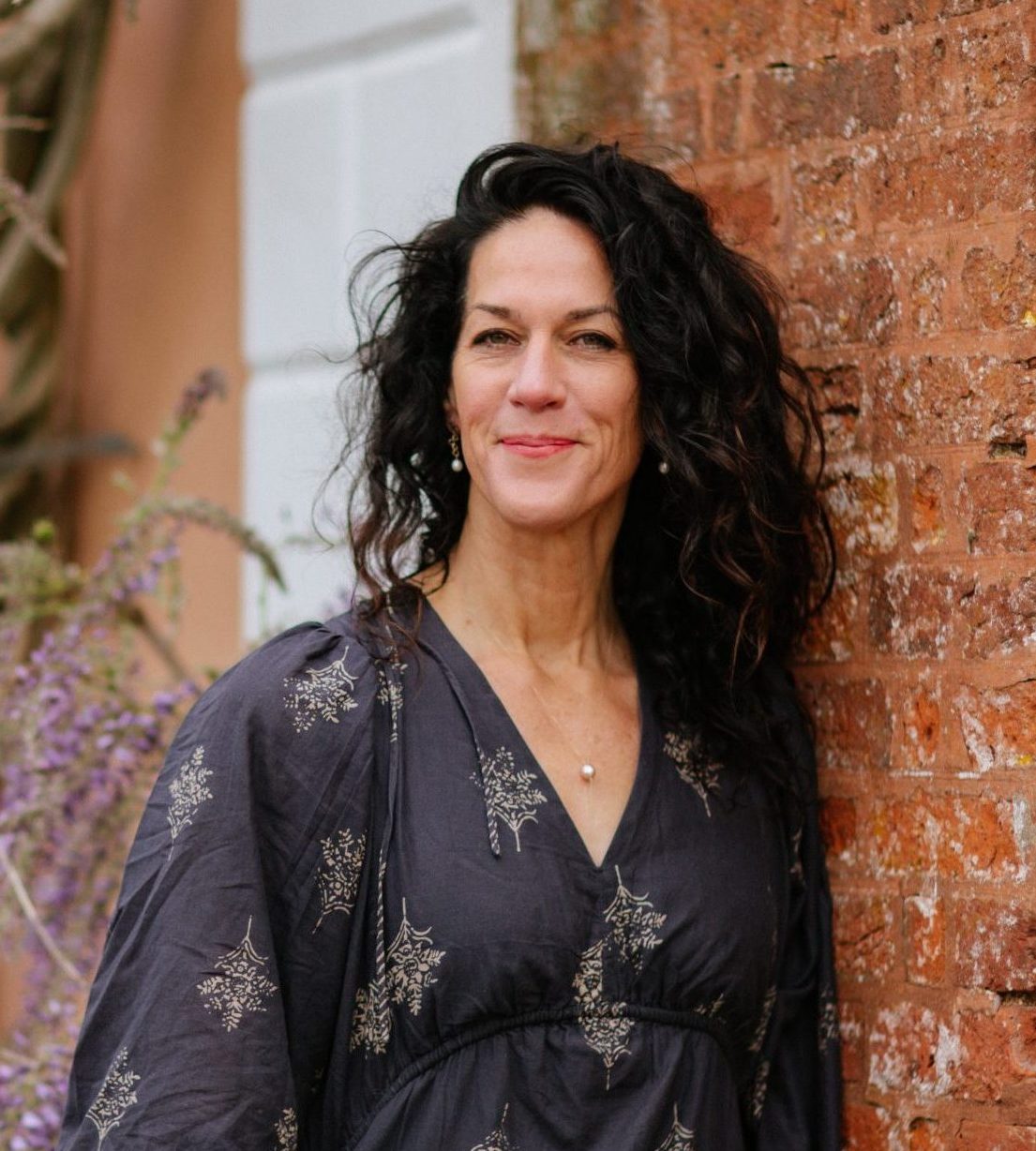
Kathryn Aalto is a New York Times bestselling author, historian and passionate teacher of narrative nonfiction. Her books include The Natural World of Winnie-the-Pooh: A Walk Through the Forest that Inspired the Hundred Acre Wood and Writing Wild: Women Poets, Ramblers, and Mavericks Who Shape How We See the Natural World.
From her studio in Devon, England, she leads The Narrative Life, an international school of narrative nonfiction whose students write from six continents. She teaches live online creative nonfiction courses in memoir, nature writing, travel writing and literary nonfiction — many of her students arriving as complete beginners, with nothing but a true story they needed to tell. Her students have gone on to win national travel writing prizes and sign contracts with major publishers.
Her teaching is built on her Eight Pillars of Narrative Nonfiction — presence, arc, character, dialogue, voice, language, setting and resonance — a framework for turning real life into resonant story. She holds master’s degrees in garden history and creative nonfiction, has taught critical thinking at university level, and believes the writing life is not a talent bestowed on a few but a path anyone can walk with excellent teaching. How to Build a Writing Practice is a practical component amongst her artistic technique-driven classes.
Teaching people how to research for creative nonfiction is one of her great passions: it is the essence of creativity, teaches people not to impose a story on material — but wait for it to emerge from research — and can shoot the writing into the stratosphere.
Explore all of Kathryn’s online creative nonfiction writing courses, masterclasses and mentoring: Online Creative Nonfiction Writing Courses | Kathryn Aalto.
“The Research for Writers masterclass was simply superb and the boost I needed to help to conceptualize, and most importantly, get started on the research I need to do for a book project. The accompanying guide is robust and detailed with practical information around online and offline sources to explore. What’s more is that the instructor taught from personal experience with vivid stories of how she approached research for her best-selling work. I highly recommend this masterclass!” — Chris A., New York, New York
Autumn 2026 Footpath Masterclasses
| Day | Class |
|---|---|
| Mon 14 Sep | Step 1 · Setting Out: An Introduction to Narrative Nonfiction |
| Tue 15 Sep | Step 2 · Clearing the Ground: How to Build a Writing Practice |
| Wed 16 Sep | Step 3 · Reading the Ground: How to Read Like a Writer |
| Thu 17 Sep | Step 4 · Finding Your Footing: How to Find Your Writing Voice |
| Fri 18 Sep | Step 5 · Off the Path: How to Research: Archives, Fieldwork & Interviews |
| Sat 19 Sep | Step 6 ·The First Step and the Last : How to Write Beginnings and Endings |
| Sun 20 Sep | Step 7 · Retracing Your Steps: How to Edit Your Own Writing |