
The First Step and the Last: Beginnings and Endings
Two sets of words carry disproportionate weight in any piece, and this step — how to write beginnings and endings — attends to both: the gate your reader enters by, and the ground you leave them standing on
- Step 6 of 7 · The Autumn 2026 Footpath· £50
- Saturday 19 Sep · 4–6 PM London · 11 AM New York · 8 AM San Francisco · 5 PM Paris · 8:30 PM Delhi · 1 AM Sydney (next day)
- Live online, a recording goes to everyone
What your first line promises
Hooks that earn attention rather than demand it
Published openings, dismantled together
Endings: resolution or resonance
The failure that kills most last paragraphs
What you will leave How to Write Beginnings and Endings with
- A working test for whether your beginning keeps the promise it makes
- The four jobs a first line can do, and how to choose between them
- Several published openings and endings fully dismantled, with your notes on each
- A method for finding your real opening, which is rarely the one you wrote
- The difference between resolution and resonance, and a sense of which your project needs
- Your own first paragraph and last line, diagnosed in the session
Who it is for

About The Footpath
Kathryn discovered the joys of footpaths when she moved to England in 2007, and they have served as significant parts of living a narrative life.
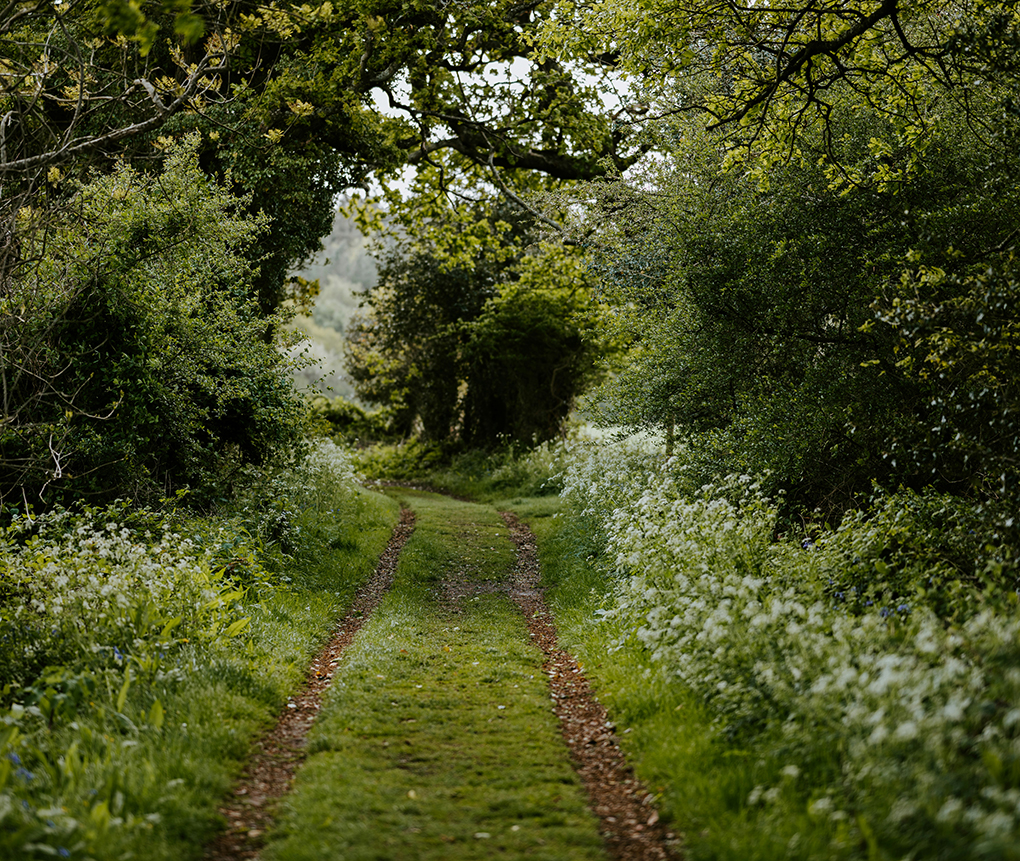
The Footpath series of masterclasses takes its name from the way a path is actually made. Nobody surveys it or lays it down; it appears because one person walks a route, and then another, until the ground itself remembers the way through. Learning to write works the same way. These seven masterclasses are seven steps along that path — each one complete in itself, each one two hours of live teaching you can take on its own, and each one facing the same direction. Walk a single step if that is what you need. Walk three. Walk all seven and you will have crossed the whole ground, from the empty desk on Monday morning to the revised page on Sunday night.
About Kathryn
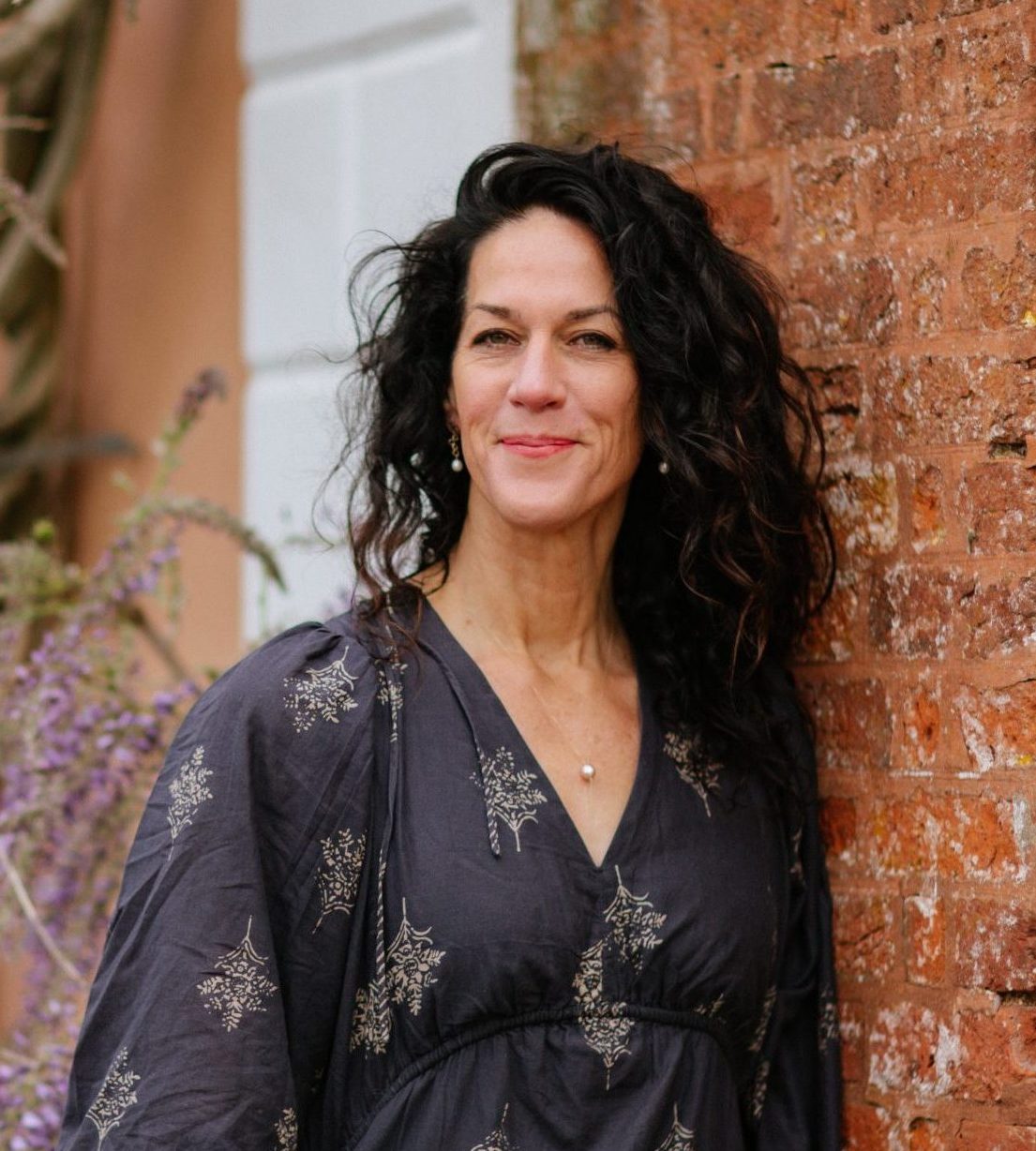
Kathryn Aalto is a New York Times bestselling author, historian and passionate teacher of narrative nonfiction. Her books include The Natural World of Winnie-the-Pooh: A Walk Through the Forest that Inspired the Hundred Acre Wood and Writing Wild: Women Poets, Ramblers, and Mavericks Who Shape How We See the Natural World.
From her studio in Devon, England, she leads The Narrative Life, an international school of narrative nonfiction whose students write from six continents. She teaches live online creative nonfiction courses in memoir, nature writing, travel writing and literary nonfiction — many of her students arriving as complete beginners, with nothing but a true story they needed to tell. Her students have gone on to win national travel writing prizes and sign contracts with major publishers.
Her teaching is built on her Eight Pillars of Narrative Nonfiction — presence, arc, character, dialogue, voice, language, setting and resonance — a framework for turning real life into resonant story. She holds master’s degrees in garden history and creative nonfiction, has taught critical thinking at university level, and believes the writing life is not a talent bestowed on a few but a path anyone can walk with excellent teaching. How to Build a Writing Practice is a practical component amongst her artistic technique-driven classes.
This is one of the classes Kathryn most enjoys teaching, because beginnings and endings are where craft becomes visible. An opening teaches you to stop announcing what your piece is about and let it show; an ending teaches you to stop explaining and trust your reader instead. Learn how to write beginnings and endings well and the writing goes somewhere you could not have planned.
Explore all of Kathryn’s online creative nonfiction writing courses, masterclasses and mentoring: Online Creative Nonfiction Writing Courses | Kathryn Aalto.
“The Research for Writers masterclass was simply superb. It was the boost I needed to help to conceptualize, and most importantly, get started on the research I need to do for a book project. The accompanying guide is robust and detailed with practical information around online and offline sources to explore. What’s more is that the instructor taught from personal experience with vivid stories of how she approached research for her best-selling work. I highly recommend this masterclass!” — Chris A., New York, New York
Autumn 2026 Footpath Masterclasses
| Day | Class |
|---|---|
| Mon 14 Sep | Step 1 · Setting Out: An Introduction to Narrative Nonfiction |
| Tue 15 Sep | Step 2 · Clearing the Ground: How to Build a Writing Practice |
| Wed 16 Sep | Step 3 · Reading the Ground: How to Read Like a Writer |
| Thu 17 Sep | Step 4 · Finding Your Footing: How to Find Your Writing Voice |
| Fri 18 Sep | Step 5 · Off the Path: How to Research: Archives, Fieldwork & Interviews |
| Sat 19 Sep | Step 6 ·The First Step and the Last : How to Write Beginnings and Endings |
| Sun 20 Sep | Step 7 · Retracing Your Steps: How to Edit Your Own Writing |