
Narrative Nonfiction Masterclass Schedule
| Day | Class |
|---|---|
| Mon 24 Aug | Class 1: The Eight Pillars: An Introduction to Narrative Nonfiction |
| Tue 25 Aug | Class 2: Clearing the Ground: Building a Writing Practice |
| Wed 26 Aug | Class 3: Reading Like a Writer |
| Thu 27 Aug | Class 4: Recovering Your Voice: The ‘I’ in Your Writing |
| Fri 28 Aug | Class 5: Research for Writers |
| Sat 29 Aug | Class 6: First Words, Last Words: Beginnings and Endings |
| Sun 30 Aug | Class 7: The Editor’s Eye: Revising Your Own Work |
Research for Writers
Class Five of The Footpath · £50 · 4–6 PM BST · live online, recording included
Where material lives, and how to gather it — the full ecosystem in one evening.
Most beginning writers research the way they were taught at school: they look things up. But narrative nonfiction is not built from facts you can look up. It is built from the texture that surrounds them — the weather on the day, the price of coal that year, the phrase a woman used in a letter she never expected anyone to read. It can also be about how information passes through you as the writer: your experiences, your aesthetics, your sensibilities. This class is about where that texture is kept, and how to go and get it.
The paper trail. Archives, libraries, record offices. Letters, deeds, wills, ledgers, parish registers, local newspapers, minutes of meetings nobody thought were important. How to approach an archivist so they become an ally rather than a gatekeeper. And the skill that matters most: how to interrogate a document that is partial, self-serving, or quietly lying. Every record was made by someone with reasons, and reading for those reasons is where the story often hides. You will understand how to work with primary, secondary, and tertiary resources.
The field. Place as a primary source. Standing where it happened is not sentimentality; it is data collection — light, sound, distance, what you can and cannot see from there. We will cover the note-taking that makes a walk yield prose rather than a page of adjectives you cannot use later.
People. The richest material is inside other humans, so this class folds in the craft of the interview. Preparation, and how much is too much. Question sequences that open a subject rather than close them down. The discipline of silence — the three seconds most interviewers cannot bear, where the real answer lives. And why the material you actually want arrives only after the rehearsed answers have run out, which means the interview must last long enough to get there. This also explores how to enter archives with an open mind and let the narrative — its arc, characters, and the stories they have to tell us — reveal themselves, rather than imposing a structure on the burgeoning story.
We finish with the two disciplines that save years. First, a filing system that does not collapse — how to store material so that a fact you gathered in March is findable in November, with its source attached. Second, and more uncomfortable: how to recognise the moment research stops serving the writing and becomes an elegant way of avoiding it. There is always one more box. Knowing when to close it is a craft skill.
What you will leave with
- A working map of the three sources — archive, field, and people — and what each is best for
- A method for interrogating documents rather than merely collecting them
- Interview technique: preparation, sequencing, silence
- A filing system that survives a long project, and an honest test for when to stop gathering
Who it is for
Anyone whose project involves a real place, a real past, or a real person. Writers who have gathered a great deal and lost control of it. Anyone who has been meaning to make a phone call for a year.
Read before: a short piece of research-rich nonfiction — provided. Read it once for the story, then once more to spot where each fact must have come from.
Bring: your project’s biggest unanswered question, and where you have looked so far.
About Kathryn
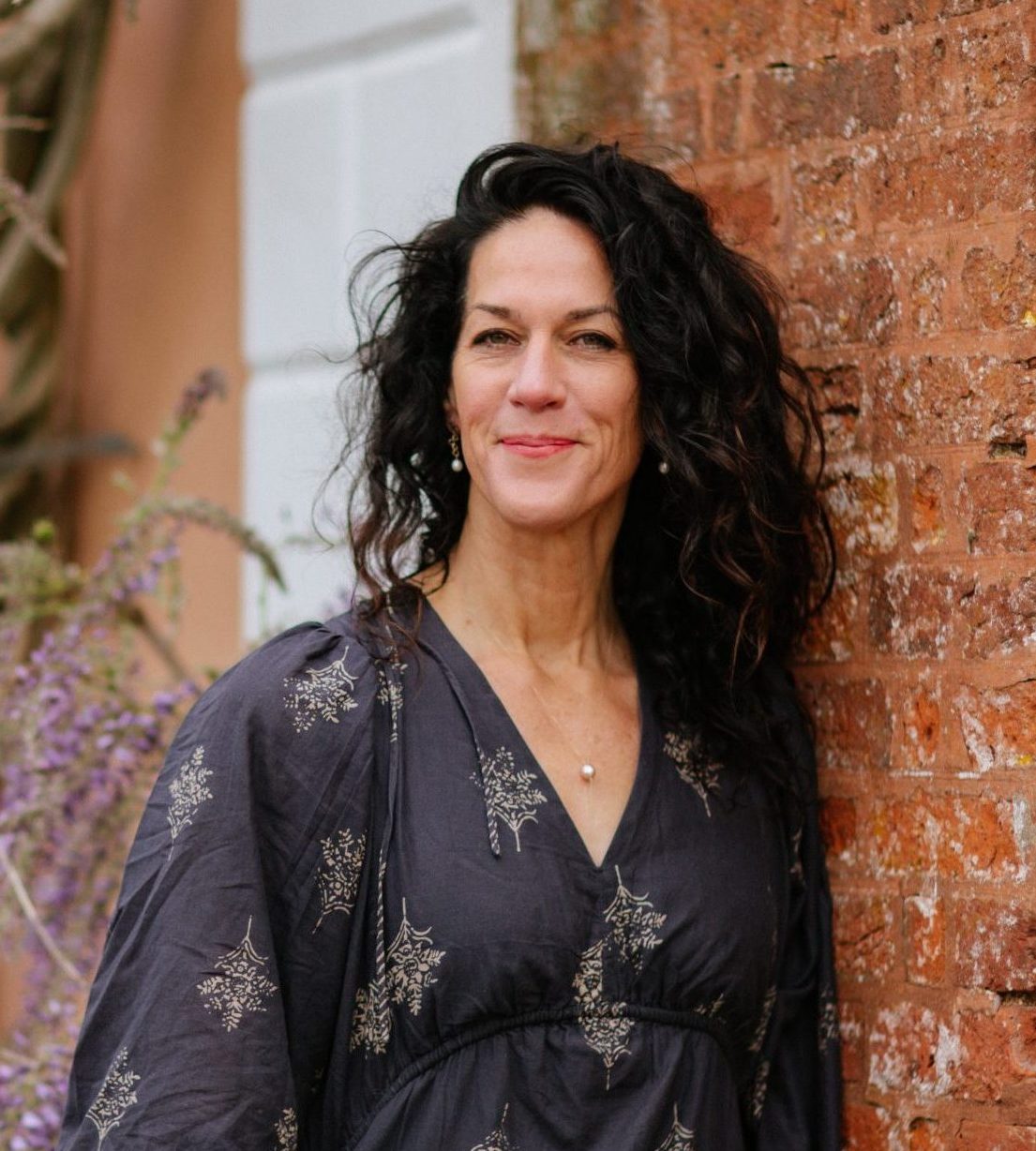
Kathryn Aalto is a New York Times bestselling author, historian, and public speaker whose books include The Natural World of Winnie-the-Pooh and Writing Wild: Women Poets, Ramblers, and Mavericks Who Shape How We See the Natural World. From her home in Devon, England, she leads The Narrative Life, an international school of narrative nonfiction — many of her students beginning writers who arrived with nothing but a true story they needed to tell. Her teaching is grounded in her Eight Pillars of Narrative Nonfiction, a framework for turning real life into resonant story. She believes the writing life is not just a talent bestowed on the few but a path anyone can walk with excellent teaching — and she has spent her career showing people the way in through narrative nonfiction masterclasses, mentoring, and longer courses. Learn more about her upcoming autumn courses in narrative nonfiction and poetry here: Online Creative Nonfiction Writing Courses | Kathryn Aalto
Endorsements
“The Research for Writers masterclass was simply superb and the boost I needed to help to conceptualize, and most importantly, get started on the research I need to do for a book project. The accompanying guide is robust and detailed with practical information around online and offline sources to explore. What’s more is that the instructor taught from personal experience with vivid stories of how she approached research for her best-selling work. I highly recommend this masterclass!” — Chris A., New York, New York
Kathryn Aalto is a world-class teacher. I had 30 years’ experience as a journalist and copywriter, but I was a novice in narrative non fiction. Kathryn taught me how to write, guiding me on a journey of discovery, revealing the secrets of sensory writing, bringing filmic vividness to my descriptions of the world around me and uncovering the inner landscapes of the mind. I will be forever grateful for her inspirational teaching and the support of the remarkable writing communities she curates, from whom I have received invaluable encouragement and among whom I have made enduring friendships.” — Gary F., Rutland, England
“Recently I completed Kathryn Aalto’s Memoir and Life Writing Level 1 course. Kathryn is a gifted communicator. Numerous beta readers, intimately familiar for decades with my writing, have mentioned finding deeper, more exciting levels of my storytelling ability since I studied with the extraordinary Ms. Aalto. I have already enrolled in Level 2 Memoir and Life Writing. Her writing course is, bar none, the best value for money of any writing course I have ever taken, either online or in person.” — Bonnie B. L., Mobile, Alabama
“After six months of working with Kathryn–which is a bit like entering the space of a handwritten letter, what with her sharp aesthetic sense, far-ranging intelligence, wit, and curiosity–I’ve made tangible progress on an unwieldy, long-form project I was struggling to articulate. I came to her Memoir and Life Writing class for accountability, and came away having experienced the kind of support, writing insight, and real feeling of friendship that can be difficult to find in a workshop environment. Kathryn fostered a warm, charming atmosphere in class (a real feat online), allowing for life-long connections to develop among our group of writers. She cares about the arc of her student’s writing lives–a form of attention that encourages artistic growth and positive risk-taking. She not only brought her years of writing and publishing experience to class and to our bi-monthly writing assignments (her personal feedback, often handwritten, is invaluable), she also brought her unique perspective. Writer-gardener-historians are, I think, particularly adept at imagining the possibilities for a piece, no matter your subject. Kathryn pushed me to dig deeper, moving my writing in new directions. No matter where one is in their writing life, working with Kathryn will be an experience of profound joy, insight, and artistic deepening.“ — Veronica, Portland, Oregon