
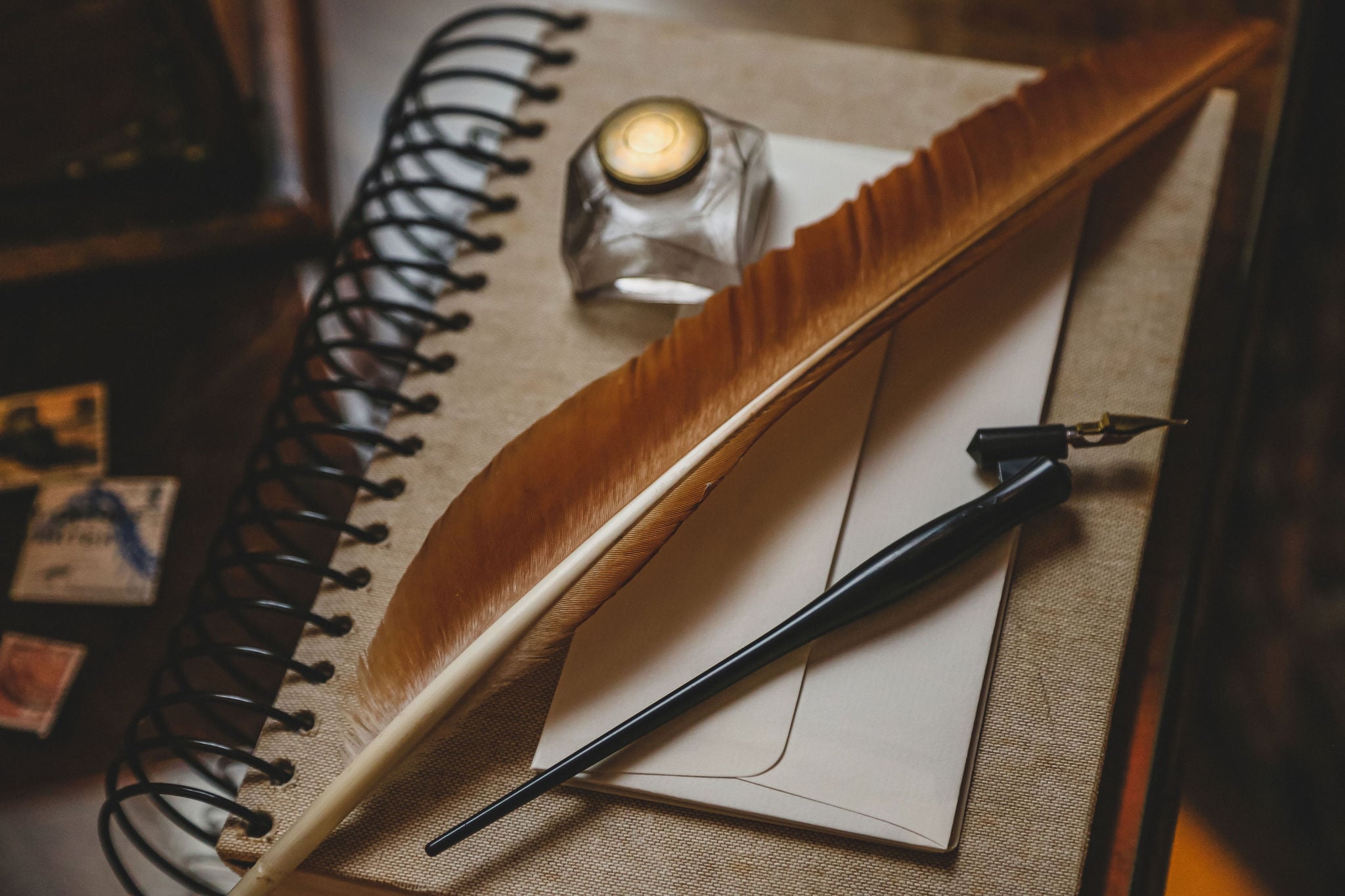
You can usually tell. There is a notebook by the bed that never seems to fill. There are the books on craft they buy and don’t open. There’s the way they say “one day I’d like to write” and then change the subject. I often tell my students that there are more libraries and bookstores that hold the invisible books people carry in their minds than real books on real shelves. I commend them for taking dreams and making them reality by registering for a course. That is the first step to moving dream to reality.
If you love someone like this, you may have wondered how to help without pushing. Of all the gifts for aspiring writers, the most powerful is also the simplest: permission.
What stops aspiring writers from starting
In thirty years of teaching, but especially the last few with The Narrative Life which attracts people with life under their belts, I have met hundreds and hundreds of people who wanted to write for decades before they finally began. What held them back was rarely talent. It was fear: of the blank page, of not being good enough, of taking time for something that might come to nothing. Of someone say, ‘Don’t be an artist. Don’t write. Be practical.’ Which results in not knowing their real voice, smothered by years in academia or law or technical fields. Many told me they felt intimidated by writing classes, as if they needed to be writers already before they could learn.
That’s why the best gifts for aspiring writers lower the threshold. They say: you don’t have to be ready. You only have to take the first step.
The best gifts for aspiring writers are small first steps
A year-long programme can feel overwhelming to someone who hasn’t yet written a page. A single class does not. That’s the thinking behind The Footpath, my series of seven live, two-hour masterclasses in narrative nonfiction, designed especially for beginners and for anyone returning to the page after a long absence.
The seven classes take their names from a walk: Setting Out, Clearing the Ground, Reading the Ground, Finding Your Footing, Off the Path, The First Step and the Last, and Retracing Your Steps. Together they cover what a new writer most needs, including an introduction to narrative nonfiction through my Eight Pillars, building a writing practice that lasts, reading as a writer reads, finding your voice, researching like a writer, crafting beginnings and endings, and revising your own work. Each can be taken alone. The next run is January 4–10, 2027.
As a gift, a single class costs £50, any four cost £160, and the full week of seven costs £275.
Books to give an aspiring writer
Pair a class with a book that makes writing feel possible. Anne Lamott’s Bird by Bird is the warmest book ever written about the writing life, and its central advice, to take things one small piece at a time, is exactly what a beginner needs to hear. Ursula K. Le Guin’s Steering the Craft is a practical companion, full of exercises for when they’re ready to play with sentences.
What not to say, and what to say instead
Encouragement is delicate. “You should write a book” can feel like pressure. “When are you going to finish it?” can feel like judgement. Instead, try asking what they’d like to write about, and then listen. Offer to read something when they’re ready. Protect their writing time the way you’d protect any other appointment.
And if you give a class, give it lightly. Something like: I thought you might enjoy this. No expectations.
How to give it
My writing course gift vouchers arrive as a card signed by hand and sent by post, and the writer chooses how to spend it. A £50 voucher buys exactly one Footpath masterclass, which makes it the perfect first step. Please order by December 18 for Christmas.
For more ideas at every budget, see my guide to gifts for writers.
An autumn gift: a prose poetry course
Not every gift has to wait for December. Some of the people who carry invisible books are already writing in small ways: a sentence scribbled in the margin of a diary, a paragraph that arrives on a walk and refuses to leave. For them, the prose poem is a natural doorway. It is short enough to finish in an evening, and it asks for nothing but attention to the sentence. No line breaks, no rules of metre, no need to call yourself a poet.
This autumn I am teaching The Unbroken Line, a live online prose poetry course that meets on eight Wednesday evenings from October 21 to December 9. Together we read The Penguin Book of the Prose Poem, slowly and aloud, like walking a river upstream to its source, and each writer leaves with four prose poems of their own, every one with my written feedback. It is open to writers at every level, and places are limited.
A writing course gift voucher covers the £450 tuition. Because the vouchers arrive by post, please order in early October so the card is in their hands before the first class. By the time the Christmas lights go up, they will have four finished poems, which is its own kind of present. If you’re curious why poetry sharpens every kind of writing, you’ll find more in my essay Why Every Writer Should Study Poetry.