

A Seven-Class Introduction to Narrative Nonfiction
Live summer masterclasses with New York Times bestselling author Kathryn Aalto
Monday 17 – Sunday 23 August 2026 · 6–8:30 PM BST, daily
Every writer’s journey begins the same way: not with talent, but with a path. The Footpath is a complete apprenticeship in miniature — seven classes, deliberately arranged, that take you from wondering whether you’re a writer to beginning to think and work like one. We begin with the territory itself: what narrative nonfiction is, through the Eight Pillars that underpin everything taught at The Narrative Life. From there, the week builds the way a writing life builds — first the practice that sustains it, then the reading that feeds it, then your voice, recovered and trusted. With those foundations laid, we turn to the work: gathering true material, shaping it into story, opening and closing it with intention, and finally revising it with an editor’s eye. Each class stands alone; together they form an arc — because a course in storytelling should itself be well told. You’ll leave with a map of the whole craft, a working practice, pages underway, and the certainty that this territory is yours to walk. The classes are 2.5 hours with a 15-minute mid-way tea break.
Take the first step. → Reserve your place on The Footpath
New to narrative nonfiction? The Footpath is designed for you — no experience required, all curiosity welcome.
Schedule
| Day | Class |
|---|---|
| Mon 17 Aug | The Eight Pillars: An Introduction to Narrative Nonfiction |
| Tue 18 Aug | Clearing the Ground: Building a Writing Practice |
| Wed 19 Aug | Reading Like a Writer |
| Thu 20 Aug | Recovering Your Voice: The I in Your Writing |
| Fri 21 Aug | Research for Writers |
| Sat 22 Aug | First Words, Last Words: Beginnings and Endings |
| Sun 23 Aug | The Editor’s Eye: Revising Your Own Work |
Ways to Walk the Footpath
Peruse the website to see single classes and the bundle. You may purchase the seven classes here, below.
Single Class — £50
Choose any class that calls to you. Every class stands alone, so you can step onto the path wherever it suits.
The Four-Class Bundle — £160
Pick any four of the seven — a saving of £40. Ideal if you want to shape the week around your own writing life.
The Full Footpath — £275
All seven classes, the complete arc, from the Eight Pillars to the Editor’s Eye — a saving of £75 over single tickets. The Footpath was designed to be walked whole: each class builds on the last, and the week ends somewhere the first evening makes possible. Most writers choose this.
After you book, we’ll send a follow-up email asking which class or classes you’d like to attend — so simply secure your place now, and choose your evenings at leisure.
Class Descriptions
1. The Eight Pillars: An Introduction to Narrative Nonfiction The gateway class — and the only place a newcomer such as yourself can get the whole territory in one sitting. What narrative nonfiction actually is: not journalism, not memoir exactly, not the essay exactly, but the craft of true stories told with a novelist’s tools and a historian’s conscience. The session walks through the Eight Pillars one by one — the framework that underpins everything taught at The Narrative Life — showing how each pillar appears in published work, and how together they turn true material into story. You will leave with a map of the whole discipline and a clear sense of which pillar their own writing most needs next. This is the class where people meet Kathryn, her method, and the school — the front door. Read before: nothing — come curious. A short published excerpt provided, to return to as each pillar is introduced. Bring: the true story you’ve always wanted to write, in a sentence.
2. Clearing the Ground: Building a Writing Practice Before craft, the conditions for craft. This is the mindset class: how to set up a writing practice that survives contact with real life. The mechanics — time, place, ritual, the phone in another room — and the deeper work: how attention is cultivated rather than summoned, why waiting for inspiration is the most reliable way never to write, and how to build a boundary around your writing life that family, work, and the noise of the world learn to respect. The actual practices of working writers — early hours, walking, notebooks — treated as engineering, not folklore. Everyone leaves with a written plan for their own practice: when, where, how long, and what to do when it collapses, because it will, and rebuilding is part of the practice too. Read before: a short piece on writers’ working days — provided. Bring: an honest description of your current writing routine, including “none.”
3. Reading Like a Writer Writers are made by reading — but not the reading most of us do. This class teaches the second kind: reading with the hood up, watching how the engine works. How to slow down over a paragraph and ask why this verb, why this sentence length, why the scene breaks here. Two short passages dismantled together — one for structure, one for sentence-craft — plus the annotation habits that turn every book you love into a private masterclass. The aim is a permanent change: after this class, you never read the same way again, and everything on your shelf becomes faculty. Read before: a one-page passage, provided — read once for pleasure; we read it the second way together.
4. Recovering Your Voice: The I in Your Writing For everyone who feels they don’t have a voice — or had one once, and lost it somewhere in a career of writing like an institution. Especially for academics and professionals trained out of the first person: taught that authority means absence, that “I” is un-rigorous, that hedging is honesty. How the trained voice differs from the true one; why voice is not decoration but point of view made audible; exercises that loosen institutional habits — the passive voice, the qualifier stack, the citation reflex — and let the person back onto the page. Then the craft of the I itself: how much presence a narrator needs, where the I illuminates and where it blocks the view, and how vulnerability, properly handled, reads as authority rather than weakness. Read before: a before-and-after — scholarly prose transformed into voice-driven nonfiction; provided. Bring: two paragraphs of your professional or objective writing. We’ll find the person hiding in them.
5. Research for Writers Where material lives and how to gather it — the full ecosystem in one evening. Archives, libraries, and the paper trail: letters, deeds, newspapers, records, and how to interrogate a document that’s partial or lying. The field: place as a primary source, and the note-taking that makes a walk yield prose. And people — the richest material is inside other humans, so this class folds in the craft of the interview: preparation, question sequences that open a subject, the discipline of silence, and why the real material arrives after the rehearsed answers run out. Finishes with the two disciplines that save years: a filing system that doesn’t collapse, and recognising the moment research becomes a way of avoiding writing. Read before: a short piece of research-rich nonfiction — provided — read once for the story, once to spot where each fact must have come from. Bring: your project’s biggest unanswered question, and where you’ve looked so far.
6. First Words, Last Words: Beginnings and Endings The two moments a reader never forgives you for getting wrong. First, openings: how the first five hundred words make a promise — of subject, of voice, of the kind of attention the piece will pay — and the mechanics of hooks that earn attention rather than begging for it. Published openings dismantled to expose each one’s promise. Then endings: how nonfiction closes without a bow — resolution versus resonance, the final image versus the final idea, and why last paragraphs are usually written last, once you finally know what the piece was about. The pairing is the point: a great ending is almost always a return, transformed, to the opening’s promise. Read before: nothing — arriving fresh to the openings is part of the method. Bring: the first paragraph of something you’re writing, and — if it exists — its current last line.
7. The Editor’s Eye: Revising Your Own Work The class where writing actually becomes good — because nobody drafts well, and everybody can learn to revise well. The passes in order: the structural read (right shape, right order?), the paragraph pass (does each one earn its place and hand off to the next?), and the line edit (verbs, cuts, rhythm, the ruthless deletion of throat-clearing). Practical techniques throughout: reading aloud, the cooling-off period, printing it out, the reverse outline that X-rays a draft’s real structure. And the psychological half of editing, which nobody teaches: reading your own pages as a stranger, killing sentences you’re proud of, and knowing the difference between revising and endlessly rearranging out of fear. As the final class, it completes the arc — the week began with the writing life and ends with the skill that sustains it. Read before: a short before-and-after of a professionally edited passage — provided. Bring: one page of your own drafting you suspect isn’t working.
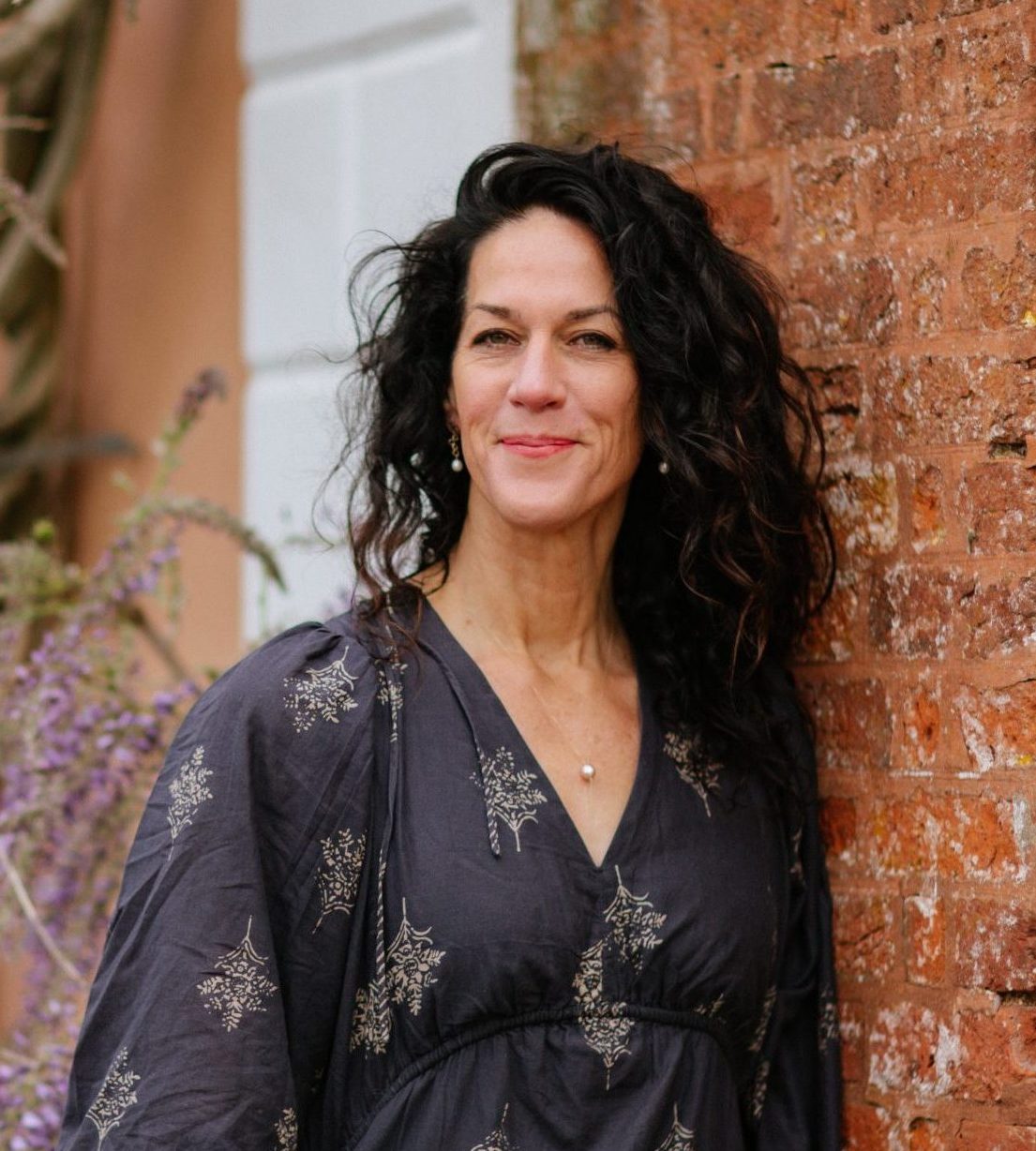
About Kathryn
Kathryn Aalto is a New York Times bestselling author, historian, and public speaker whose books include The Natural World of Winnie-the-Pooh and Writing Wild: Women Poets, Ramblers, and Mavericks Who Shape How We See the Natural World. From her home in Devon, England, she leads The Narrative Life, an international school of narrative nonfiction — many of her students beginning writers who arrived with nothing but a true story they needed to tell. Her teaching is grounded in her Eight Pillars of Narrative Nonfiction, a framework for turning real life into resonant story. She believes the writing life is not just a talent bestowed on the few but a path anyone can walk with excellent teaching — and she has spent her career showing people the way in.