

Narrative Nonfiction Masterclass Schedule
| Day | Class |
|---|---|
| Mon 24 Aug | Class 1: The Eight Pillars: An Introduction to Narrative Nonfiction |
| Tue 25 Aug | Class 2: Clearing the Ground: Building a Writing Practice |
| Wed 26 Aug | Class 3: Reading Like a Writer |
| Thu 27 Aug | Class 4: Recovering Your Voice: The ‘I’ in Your Writing |
| Fri 28 Aug | Class 5: Research for Writers |
| Sat 29 Aug | Class 6: First Words, Last Words: Beginnings and Endings |
| Sun 30 Aug | Class 7: The Editor’s Eye: Revising Your Own Work |
Reading Like a Writer
Class Three of The Footpath · £50 · 4–6 PM BST · live online, recording included
Writers are made by reading — but not the reading most of us do.
There is the reading we grew up with, which is surrender: you fall in, the world disappears, and afterwards you can say the book was wonderful without being able to say how. It is a good thing and you should never give it up. But it will not teach you to write. This class teaches the second kind of reading — with the hood up, watching how the engine works.
We slow down. We take a paragraph and stay inside it much longer than feels natural, asking the questions that turn admiration into knowledge: why this verb and not the obvious one, why this sentence runs long and the next one lands in four words, why the writer withheld that detail for another page, why the scene breaks here. Nothing on a good page is accidental, and once you can see the choices, you can make them.
We will dismantle two short passages together. The first for structure — where the piece turns, what it withholds, how the writer moves through time without the reader noticing the joins. The second for sentence-craft — rhythm, verbs, concrete nouns, the placement of the strongest word. You will see how differently the two kinds of attention feel, and why you need both.
Then the habit that makes it permanent: annotation. How to mark up a book so the marks are still useful a year later, how to keep a commonplace book of passages worth stealing from, and how to build the small private archive of technique that every working writer carries. This is where the reading list stops being homework and starts being a faculty — Woolf, Didion, Macfarlane, whoever sits on your shelf, all of them available to teach you at any hour.
The aim in this narrative nonfiction masterclass is a permanent change from passive to active reader. After this class you do not read the same way again. That is a small loss and an enormous gain.
What you will leave with
- A repeatable method for reading a passage twice — once for pleasure, once for construction
- Two passages fully dismantled, one structural, one at sentence level
- An annotation and commonplace-book practice you can start tonight
- The beginning of a personal archive of technique, drawn from writers you already love
Who it is for
Great readers who want to become writers. Writers who sense that something in a favourite book is working and cannot name it. Anyone whose bookshelves are full and underused.
Read before: three passage, provided.
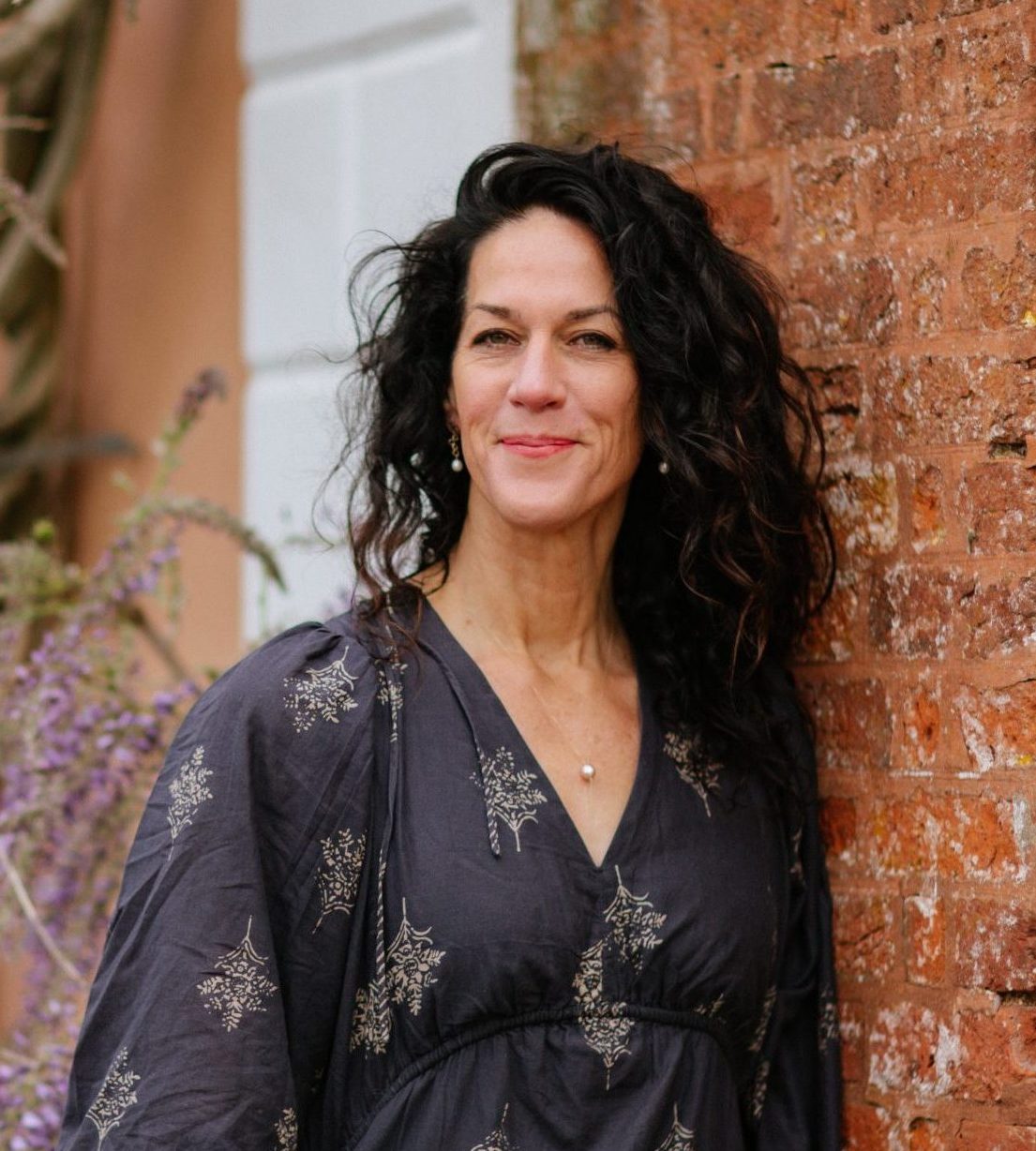
About Kathryn
Kathryn Aalto is a New York Times bestselling author, historian, and public speaker whose books include The Natural World of Winnie-the-Pooh and Writing Wild: Women Poets, Ramblers, and Mavericks Who Shape How We See the Natural World. From her home in Devon, England, she leads The Narrative Life, an international school of narrative nonfiction — many of her students beginning writers who arrived with nothing but a true story they needed to tell. Her teaching is grounded in her Eight Pillars of Narrative Nonfiction, a framework for turning real life into resonant story. She believes the writing life is not just a talent bestowed on the few but a path anyone can walk with excellent teaching — and she has spent her career showing people the way in through narrative nonfiction masterclasses, mentoring, and longer courses. Learn more about her upcoming autumn courses in narrative nonfiction and poetry here: Online Creative Nonfiction Writing Courses | Kathryn Aalto