
ABOUT
Sundays, 7:00–9:30 PM (UK) · 6 September – 13 December 2026 · Eight fortnightly sessions
Every life is an odyssey. We leave what is familiar, willingly or not. We are tested, tempted off course, changed by what we survive — and, if we are fortunate, we return to a self we finally recognise. It is the oldest story we tell, and it remains the quiet architecture beneath the finest narrative nonfiction being written today.
In this Level 2 narrative nonfiction course, we place people at the centre of the craft — and one of those people may be you.
This course is written as much for memoirists — those turning the lens on themselves — as for those chronicling the lives of others. Perhaps you carry a story only you can tell: a childhood landscape, a crossing, a reckoning. Memoir asks something paradoxical of its writer: to be at once the one who lived it and the one who watches, at some remove, from the cliff. We will practise that double vision deliberately — rendering the remembered self as a true character, with desire and flaw, blindness and growth — so that a life on the page reads not as record, but as voyage. This is, as you know from Level 1 Narrative Nonfiction, the narrative arc. All arcs have change, hinge moments, and transitions.
Alongside memoir, we will work across the family of forms that place a human life at the heart of the story: biography, the full crossing; and the profile, that compressed biography which must conjure a whole person within a few thousand words. Biographers will practise raising their subjects into living presence; profile writers, the discipline of compression — the single scene, the telling gesture, the quotation that opens a life. The craft, we will find, is the same at every length: an odyssey told from without, or from within.
How you take part is yours to choose
Writers arrive at this table in different seasons of their working lives. Some come with a manuscript underway and want every assignment, every deadline, every reader’s eye they can get. Others come to read deeply and listen closely — to spend eight Sunday evenings in the company of serious writers and remarkable books, writing when the impulse strikes and simply absorbing when it doesn’t. Both are entirely welcome, and neither is the lesser way to study.
There is no obligation to submit work, and no roll call of who has written what. The lectures, the discussion, and the guest sessions stand on their own; the writing assignments are there for those who want them. Read everything and write nothing, and you will still leave a better writer — reading closely is, after all, how most of us learned in the first place.
What you will learn
Over eight sessions you will build a working method rather than collect advice. We begin with the fundamentals of character on the page — how to find the desire that drives a life, the flaw that complicates it, the scene that reveals more than a page of explanation — and move outward into the architecture that holds a whole book or essay together: chronology and its alternatives, the braid, the turn, the ending that was implicit in the first paragraph all along. Between the craft, we address the practical questions that stall so many life-writing projects: how to conduct an interview that yields something other than what the subject has already said in public; how to work in an archive without drowning; how to handle the ethics of writing about the living; how to render other people fairly while telling the truth as you understand it. You will leave with a vocabulary for diagnosing your own drafts — the ability to look at a stalled chapter and know, specifically, what is missing.
What you will leave with
For those who wish to write, each session carries a short assignment designed to move your project forward rather than sideways, with considered feedback from me and from a small, serious group of fellow writers who will come to know your material well. Some students arrive with a book already underway; others arrive with a single figure who won’t leave them alone. Both find their footing here. By December, you can expect a clearer sense of your subject and your form, a deeper reservoir of technique to draw on, whatever pages you have chosen to make — and, not least, the working habits and the company that sustain a long project after the course itself has ended.
Guest Speakers
We are honoured to welcome two masters of the driven life, each offering insight into how they think about people as characters — and into the working methods beneath their books: how they research, how they choose their subjects, how they interview, how they move from notebook to draft to finished page.
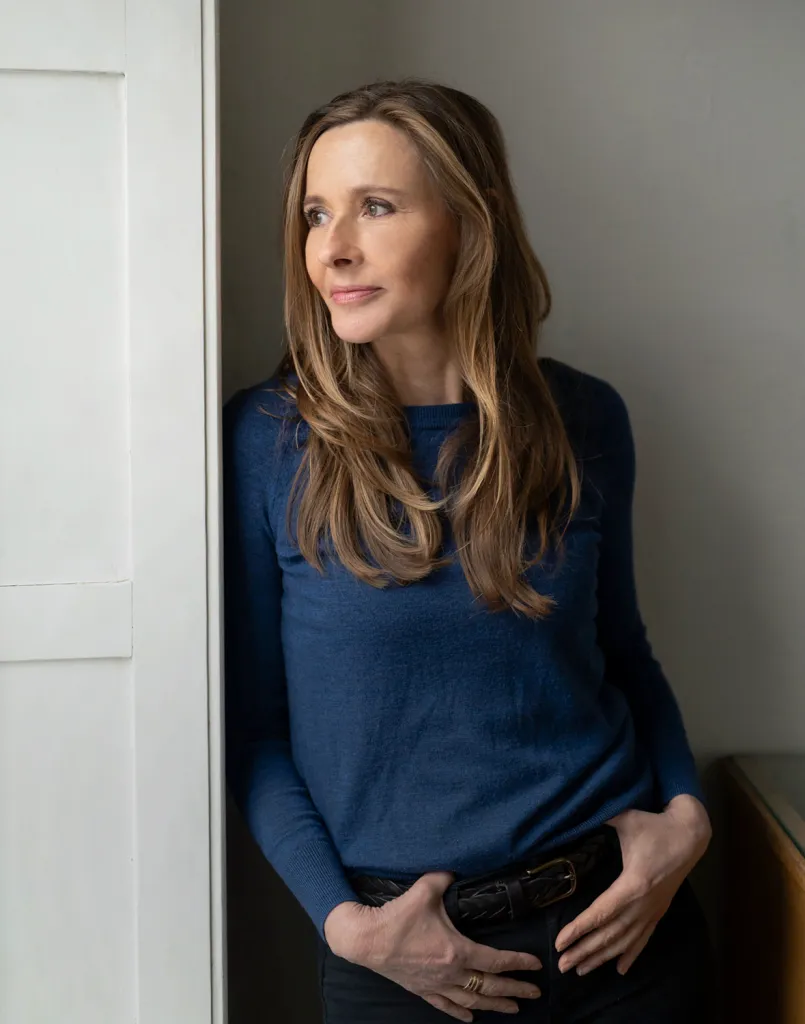

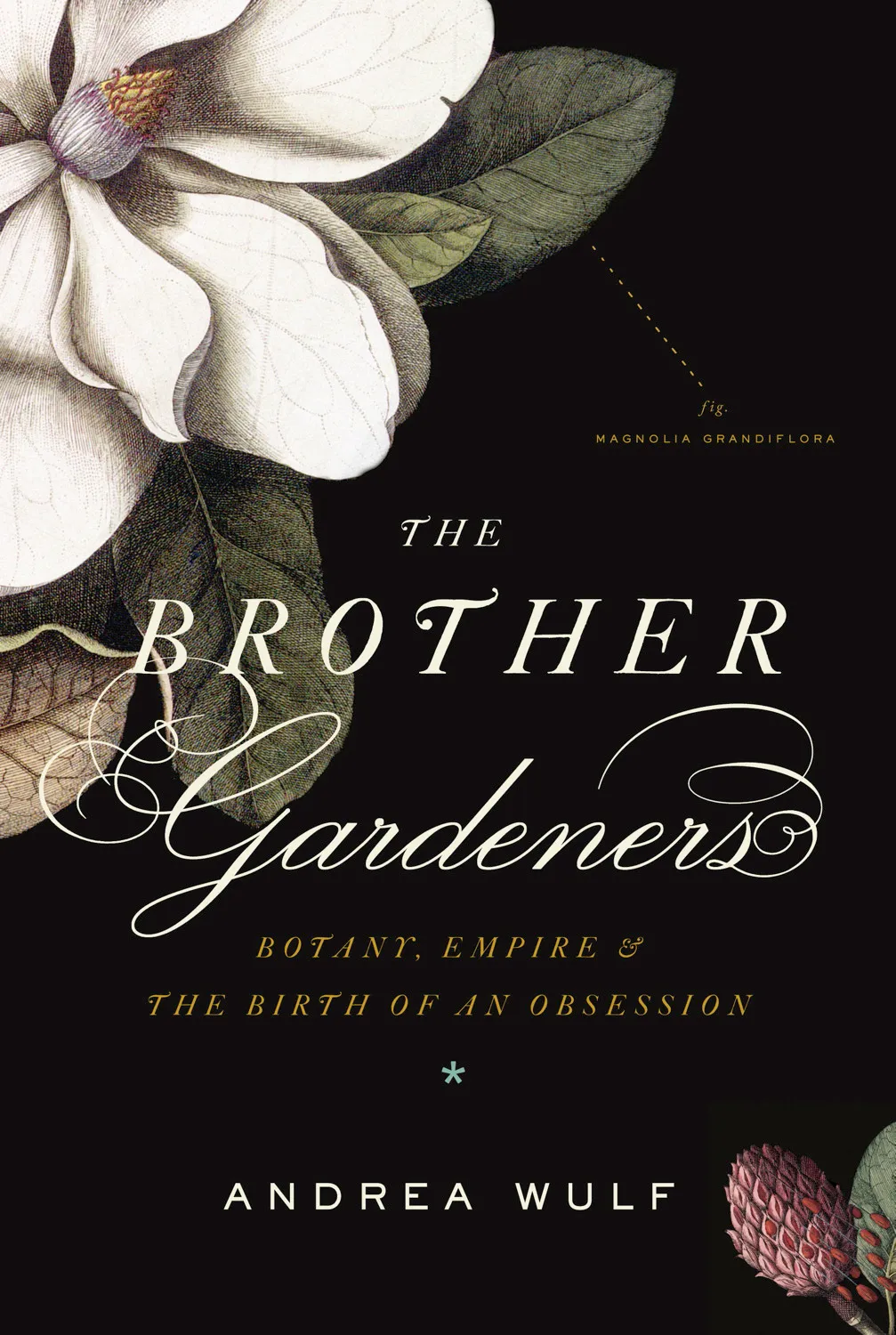
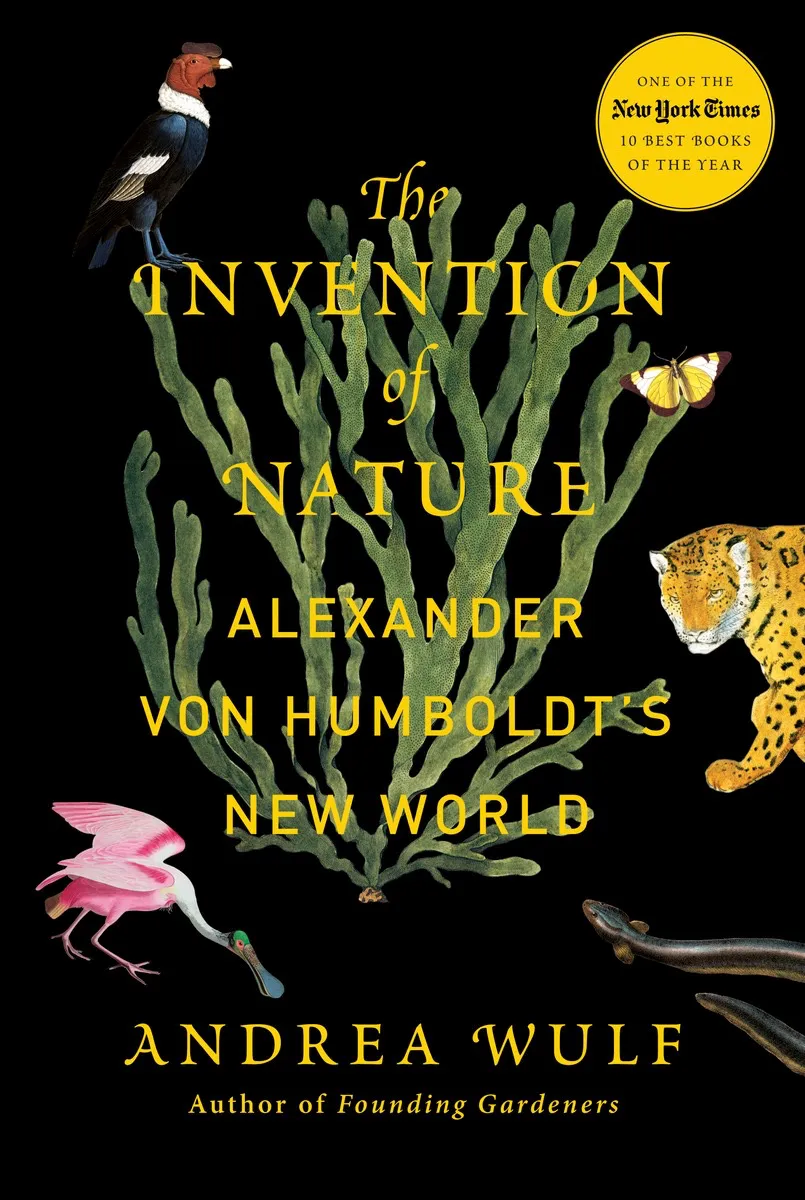
In November, we are joined by the historian Andrea Wulf to discuss her latest book, The Traveller: The Revolutionary Life of George Foster and his Search for Humanity.
Andrea Wulf is an award-winning author of eight acclaimed books, including the Founding Gardeners and The Invention of Nature which were both on the New York Times Best Seller List. Her books have been translated into 27 languages. The Invention of Nature has won 15 international awards, including the Royal Society Science Book Award 2016, Costa Biography Award 2015 and the LA Times Book Prize 2016, as well as awards in Germany, China, France and Italy. It was selected by the New York Times as “10 Best Books of 2015” and has sold more than 800,000 copies worldwide. Magnificent Rebels. The First Romantics and the Invention of the Self was published to great acclaim in 2022 (and will be published in 15 countries). Her new book, The Traveller, about the explorer and revolutionary George Forster, will be published in 2026
Her journalism has appeared in the New York Times, Atlantic, LA Times, Financial Times and Guardian among many other publications. Andrea lectures across the world – from the Royal Geographical Society and Royal Society in London to the New York Public Library and the American Philosophical Society in the US, as well as literary festivals across the world. She is also a regular on radio, podcasts and TV in the US, the UK and in Germany. In 2019, she was part of the delegation that accompanied Germany’s President Frank-Walter Steinmeier on his trip to Ecuador and Colombian … following Humboldt’s footsteps.
She is a Miller Scholar at the Santa Fe Institute, a three-time fellow of the International Center for Jefferson Studies at Monticello and the Eccles British Library Writer in Residence 2013. She is a Fellow of the Royal Society of Literature, a member of PEN American Center and a judge of the Baillie Gifford Prize 2023.
Learn more here Andrea Wulf
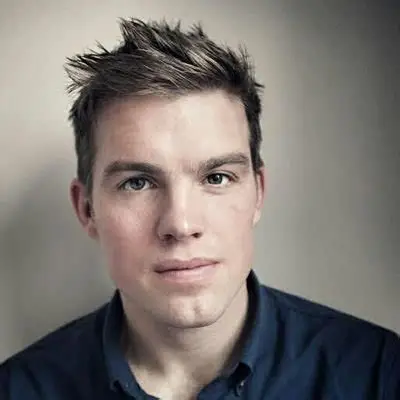
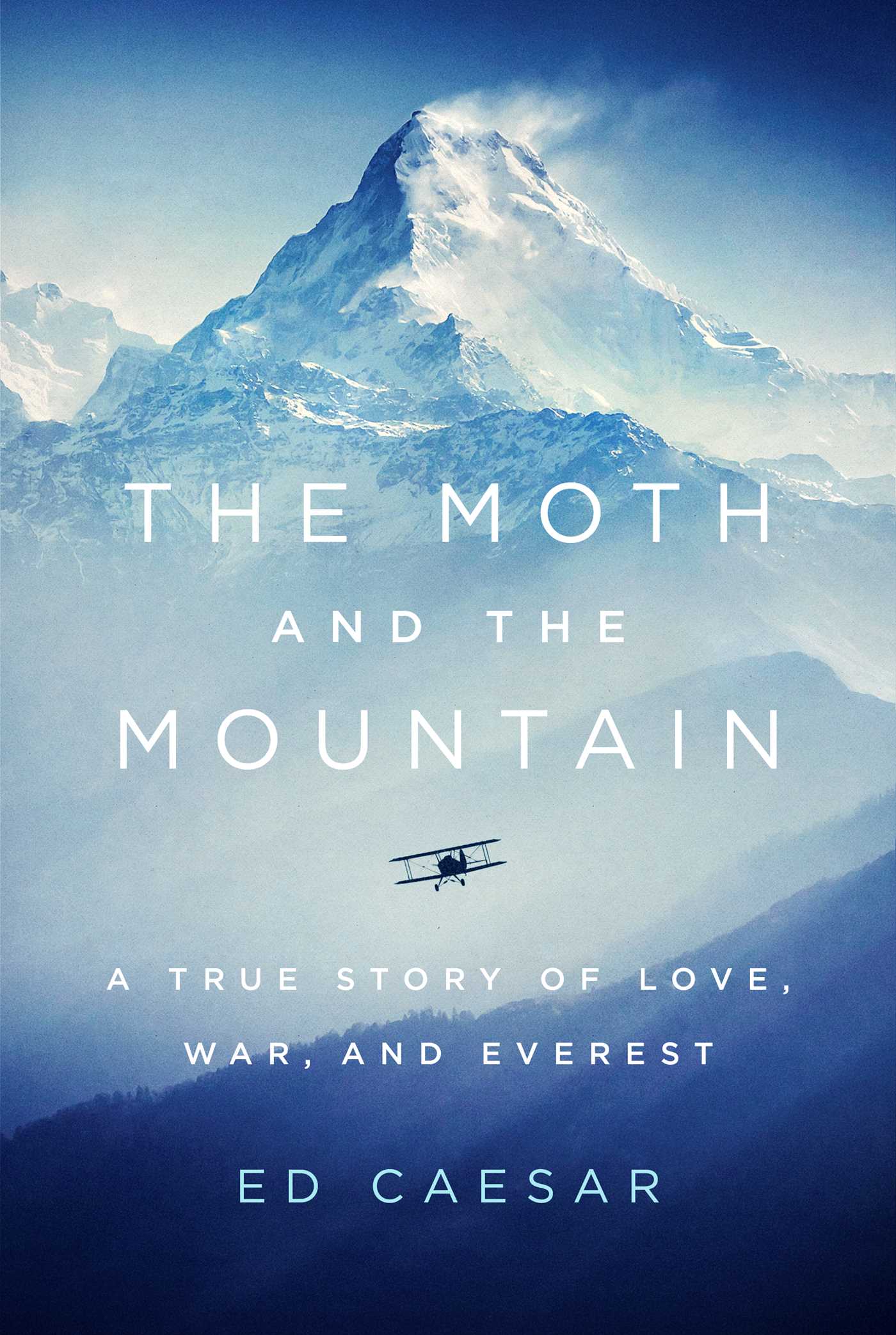
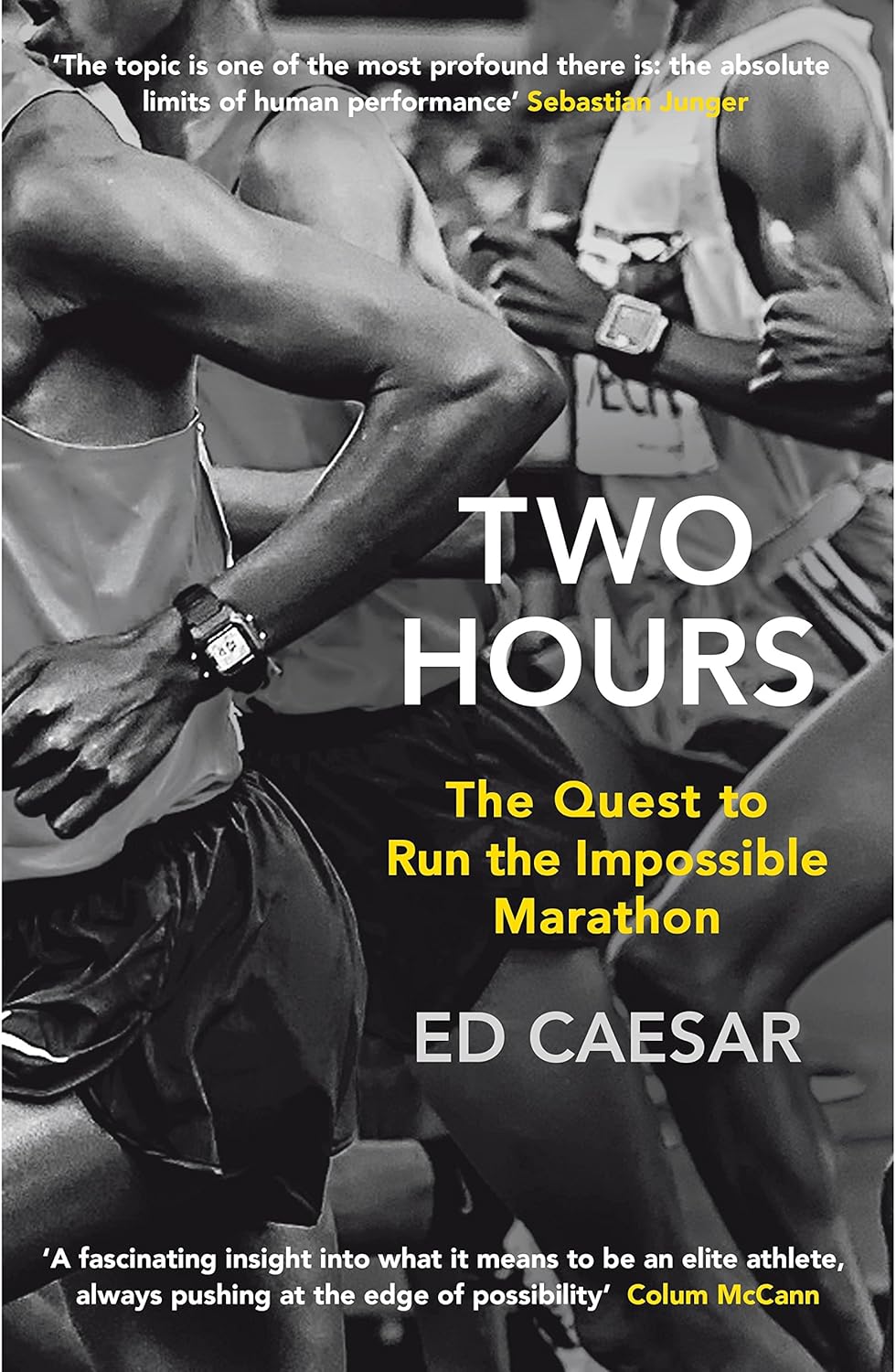
In November, we are joined by Ed Caesar, staff writer at The New Yorker and author of Two Hours and The Moth and the Mountain — odysseys both.
Before joining The New Yorker, Caesar wrote stories for The New York Times Magazine, The Atlantic, Outside, The Smithsonian Magazine, Esquire, The Sunday Times Magazine, British GQ and The Independent. He has reported from a wide range of countries, including the Democratic Republic of Congo, Kosovo, Russia, and Iran. He was once asked by Kevin Costner whether he was “anxious to die”.
Caesar has written long stories about secretive Russian oligarchs, transnational cocaine shipments, marathon tennis matches, British murder trials, wingsuit flying, civil wars, giant diamonds, superstar D.J.s, shipwrecks, hypercars, and Tom Wolfe’s elegant apartment. We will study how a writer selects a subject, earns their trust, and distils a whole life into the space of an afternoon’s reading — before hearing from Caesar himself how the pieces were made.
Learn more here Ed Caesar – Writer
Reading
This narrative nonfiction course is a balance of reading deeply and writing well. The reading is designed to feed the pen rather than merely fill the shelf. Together we will move through one book The Traveller: The Revolutionary Life of George Foster and his Search for Humanity across the term. Before it, a constellation of shorter works, classic to contemporary, each a complete odyssey in miniature: E.B. White’s “Once More to the Lake,” his return to the waters of boyhood with mortality waiting quietly in the final line; Kathleen Jamie’s “Pathologies,” which carries the voyage inward — into grief, and into the body itself; selections from Kathryn Aalto’s Writing Wild, on the women who wrote their way into landscape and self; and Ed Caesar’s two New Yorker profiles. Each is chosen for what it teaches about building a person on the page.
A detailed syllabus, with the full reading list and session-by-session arc, is available upon registration. It is recommended that students subscribe to The New Yorker magazine for its excellent personal essays and long-form biographies.
Whether you are writing your first true pages or steering a third book toward its close, there is a place for you here. What the course asks, you already possess: a life, and a person you cannot stop thinking about. What it offers is the craft, the sustained attention, and the company of serious writers across continents — one Sunday evening at a time.
Places are limited. Registration is now open.
DATES
- Format: Live Online via Zoom
- Schedule: Every other Sunday
- Dates : Sept 6 · Sept 20 · Oct 4 · Oct 18 · Nov 1 · Nov 15 · Nov 29 · Dec 13
- Times: 7-9:30 PM BST/GMT
TUITION
Tuition: £550 per term
Invest in your learning journey with a one-time payment.
Flexible Payment Plans
Contact kathryn@kathrynaalto.com to discuss options.
Terms and Conditions
Review the details of enrolment below before registering.
- Course Overview. The Course provides online writing instruction.
- Eligibility and Registration. Participants must be 16 or older and provide accurate registration details.
- Payment Terms. Full payment is required at registration. Payment plans, if arranged, must be honoured regardless of attendance.
- Refund Policy. Refunds are available up to 14 days before the Course start date. No refunds will be issued after this period. Requests must be emailed to kathryn@kathrynaalto.com.
- Course Access. Participants receive the syllabus upon registration.
- Intellectual Property. All Course materials are the property of Kathryn Aalto and cannot be reproduced, distributed, downloaded, or filmed without written permission.
- Conduct and Participation. Respectful and professional behaviour is expected.
- Technical Requirements. Participants need to have a stable internet connection and compatible device.
- Course Changes and Cancellation. The schedule, content, or speakers may be modified. If the Course is cancelled, a full refund will be issued.
- Privacy Policy. Participant information will not be shared.
By registering, you agree to these Terms and Conditions. For assistance, contact kathryn@kathrynaalto.com.
FAQs
1. Are Kathryn Aalto’s courses suitable for beginners?
Yes, all levels of writers. Beginners gain foundational skills in a supportive environment, while experienced writers refine their craft and explore advanced techniques.
- Level 1: Foundational courses for beginners in narrative nonfiction.
- Levels 2–3: Intermediate courses requiring Level 1, a similar course, or application with a writing sample.
- Levels 3–4: Advanced courses focusing on voice, structure, dialogue, and other nuanced techniques.
2. What kind of feedback can I expect?
Kathryn provides detailed, constructive feedback to improve both technical skills and thematic resonance. Students receive handwritten feedback via her reMarkable device, addressing everything from syntax and language to structure and voice. Her feedback supports, encourages, and challenges students to grow.
3. What assignments or exercises are typical?
Courses include in-class reflective exercises and self-directed at home reading and writing.
- Level 1: 1–3 poems or 2-4 pages of experimental sketches, scenes, or essays per session
- Levels 2–4: 4–10 pages every two weeks
Assignments balance variety and independence, encouraging students to explore their own interests.
4. Can taking one course lead to publication?
A single course is a valuable step toward publication, providing essential skills, guidance, and confidence. However, becoming published requires persistence, revision, and industry knowledge. Most successful students take 2–4 courses, participate in workshops, and hone their craft over time, much like an MFA program in narrative nonfiction. While publication isn’t guaranteed, Kathryn’s courses equip you to pursue your goals effectively.
5. Who are my classmates?
Your classmates come from around the globe, creating a diverse and enriching learning community. Students hail from the USA, Canada, the UK, Europe, Africa, Asia, and beyond, offering a broad spectrum of perspectives and experiences.
6. Can I pay tuition in instalments?
Yes, tuition can be billed over 2–4 months. Contact kathryn@kathrynaalto.com to arrange a plan that works for you.
COMMUNITY
Kathryn Aalto fosters a warm, inclusive, and inspiring community in her online writing courses, where participants from diverse backgrounds come together to explore their creativity. Her courses are designed to encourage collaboration, thoughtful dialogue, and mutual support, cultivating a space where students feel safe to express themselves and share their work.
Her teaching style emphasises empathy and attentiveness, helping students build confidence in their writing while honouring their unique voices. Through guided discussions, personalised feedback, and opportunities for peer interaction, she cultivates a sense of belonging and shared purpose. The community Kathryn creates is one of encouragement, growth, and a shared passion for the written word, where each participant is both a learner and a contributor to the collective experience.
Learn more here.
TEACHING PHILOSOPHY

My teaching philosophy is rooted in the belief that education is a collaborative and transformative journey, one that empowers students to explore their creative potential, embrace their unique voices, and engage deeply with the world around them. I am committed to creating a learning environment that is inclusive, supportive, and intellectually stimulating, where students feel encouraged to take risks, ask questions, and challenge themselves.
Philosophy
1. Fostering Creative Exploration
I believe that creativity flourishes when students are given the freedom to explore ideas, experiment with language, and push the boundaries of conventional thinking. My role as an educator is to provide the tools, guidance, and encouragement that allow students to embark on this journey of exploration. I strive to create lectures, discussions, and assignments that inspire curiosity and invite students to engage with material in ways that are personally meaningful and artistically daring.
2. Encouraging Critical Thinking and Reflection
I view literature and writing as powerful tools for understanding the human experience, and I encourage my students to engage critically with texts and their own work. By fostering an environment of thoughtful discussion and reflection, I aim to help students develop their analytical skills, deepen their understanding of complex themes, and articulate their ideas with clarity and conviction. I emphasise the importance of considering diverse perspectives and encourage students to question assumptions and explore the ethical dimensions of their writing.
3. Building a Supportive Learning Community
I am deeply committed to cultivating a classroom environment where all students feel respected, valued, and heard. I believe that learning is most effective when it occurs in a community where individuals support and learn from one another. To this end, I prioritise creating a space where students can share their work, offer constructive feedback, and engage in meaningful dialogue. I also recognise the importance of addressing each student’s unique needs and learning styles, and I strive to be responsive and adaptable in my teaching approach.
Strongly influenced by the Harkness method founded at the Phillips Exeter Academy in New Hampshire where my three children graduated, I actively cultivate a learning space that emphasises the art of conversation with active listening, collaboration, and respect.
4. Empowering Student Voices
One of my primary goals as an educator is to empower emerging writers to find and refine their own voices. I encourage them to write with authenticity and confidence, whether they are crafting a new personal narrative as a long-time academic or exploring creative nonfiction from another genre. I believe that every student has a story worth telling, and I aim to help them discover the best ways to tell it. This involves not only developing their technical skills but also helping them overcome any inhibitions or self-doubt that may hinder their creative expression.
5. Lifelong Learning and Growth
I view teaching as a reciprocal process of learning and growth. Just as I seek to inspire my students, I am continually inspired by their insights, creativity, and courage. I am committed to my own professional development as a member of ASLE (Association for the Study of Literature and Environment) and AWP (Association of Writers and Writing Programs), which helps me stay engaged with current trends and debates in literature, writing, and pedagogy. By modelling a passion for learning and a commitment to intellectual curiosity, I hope to instil in my students a lifelong love of learning and a desire to continue honing their craft long after they leave my classroom.
Results
My teaching philosophy is centered on the idea that education is a dynamic and collaborative process. By fostering creativity, critical thinking, and community, I aim to empower my students to become confident, thoughtful, and innovative writers who are prepared to differently engage with the world in reflective and meaningful ways.
After acquiring key skills in narrative nonfiction, I encourage people to apply for awards, submit to publications, and continue keeping personal writing journals. My pro-active stance helps emerging writers find validation of their insights and writing skills outside our nurturing communities.
My students have won numerous awards including the 2022 £10,000 Nature Chronicles Prize with two long-listed for the same 2024 prize. A student won the 2022 Bradt New Travel Writer of the Year and many have been short-listed for literary awards including the Fish Memoir Prize. My students have been published by general and university presses, book trusts, popular magazines, and literary journals.
However, publication and awards are only one measure of success. Learning to embrace the writing process as just one part of leading a contemplative life cannot be measured nor externally validated. There is different and great fulfilment in both.
TESTIMONIALS
“Kathryn Aalto is a world-class teacher. I had 30 years’ experience as a journalist and copywriter, but I was a novice in narrative non fiction. Kathryn taught me how to write, guiding me on a journey of discovery, revealing the secrets of sensory writing, bringing filmic vividness to my descriptions of the world around me and uncovering the inner landscapes of the mind. I will be forever grateful for her inspirational teaching and the support of the remarkable writing communities she curates, from whom I have received invaluable encouragement and among whom I have made enduring friendships.” — Gary F., Rutland, England
“Kathryn is an inspiring writer and gifted teacher of narrative non-fiction. She creates a warm and inviting atmosphere in the virtual classroom, even as she encourages writers to pursue their craft with rigour and tenacity. The classes pivot from instructor-led teaching to student-centred learning, with a dynamic range of activities, including lectures, discussions of craft/technique in assigned readings, writing prompts, workshops, Q&A sessions with published authors, industry insights and more. Aspiring writers receive detailed and actionable feedback, whether to build on existing skills or experiment with fresh approaches to craft. Beyond the classroom, Katy is happy to answer any questions, suggest further readings and encourage writers to publish.” — Wendy, Maidenhead, England
“After six months of working with Kathryn–which is a bit like entering the space of a handwritten letter, what with her sharp aesthetic sense, far-ranging intelligence, wit, and curiosity–I’ve made tangible progress on an unwieldy, long-form project I was struggling to articulate. I came to her Memoir and Life Writing class for accountability, and came away having experienced the kind of support, writing insight, and real feeling of friendship that can be difficult to find in a workshop environment. Kathryn fostered a warm, charming atmosphere in class (a real feat online), allowing for life-long connections to develop among our group of writers. She cares about the arc of her student’s writing lives–a form of attention that encourages artistic growth and positive risk-taking. She not only brought her years of writing and publishing experience to class and to our bi-monthly writing assignments (her personal feedback, often handwritten, is invaluable), she also brought her unique perspective. Writer-gardener-historians are, I think, particularly adept at imagining the possibilities for a piece, no matter your subject. Kathryn pushed me to dig deeper, moving my writing in new directions. No matter where one is in their writing life, working with Kathryn will be an experience of profound joy, insight, and artistic deepening.“ — Veronica, Portland, Maine
“I learnt so much from taking Kathryn’s Memoir and Life Writing course. Although I had published a lot of academic work, I was struggling making the transition to writing in a more personal vein and lacking in confidence. I found in Kathryn a superbly knowledgeable and lucid teacher. Through the lectures and class discussion, I learnt how to implement narrative nonfiction techniques and, in just a few weeks, saw my writing become much more engaging and evocative. I also benefited from being part of a supportive and friendly learning community, and building relationships that I expect to last far beyond the duration of the course. Finally, I really appreciated Kathryn’s warmth and positivity, both in the virtual classroom and in her individual feedback. She was an attentive and sympathetic reader of my work, giving clear guidance for improvement while simultaneously building my confidence. The course enabled me to see new possibilities in my writing and I am keen to work with Kathryn again as I continue to develop.” —