
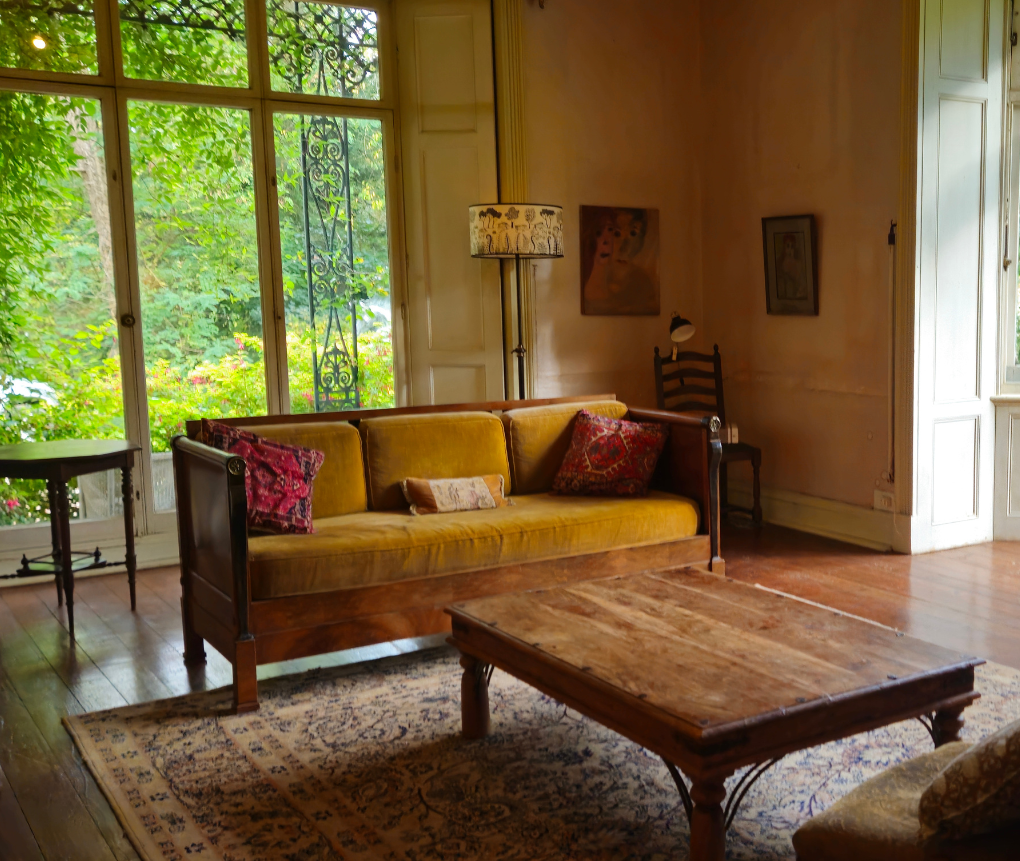
Slip away from the ordinary and into the timeless beauty of the Devon countryside. In January, when the days are short and the year still new, the hills and hedgerows of Devon hold a quiet magic: mists drifting over fields, ancient oaks standing sentinel, and lanes that lead to villages where stone walls and thatched roofs carry centuries of story. It is a landscape that invites reflection, a place where the pace of life slows and creativity has room to breathe. A perfect time and place for a writing retreat.
The Retreat into the Devon Countryside at Ashley Court is an intimate three-day, two-night gathering for writers of poetry, fiction, and narrative nonfiction who wish to begin the year with intention—deepening their craft, broadening their perspectives, and replenishing their creative spirit while expanding their writing community. Highlights include award-winning musician Jon Boden who will combine a live performance in a candlelit parlour with a keynote talk, as well as talks by acclaimed travel and nature writers Rob Cowen and Kathryn Aalto. The retreat balances masterclasses in writing and storytelling with restorative hours to walk the grounds, journal in quiet corners, or linger in conversation by firelight.
Meals are drawn from Devon’s fields, gardens, and coastline—seasonal dishes served in rooms that echo with history. Evenings close with talks that stir the imagination, shared around long tables where wine is poured and friendships begin. Between sessions, there is the simple luxury of stillness: candles flickering in Georgian windows, fires warming stone hearths, and the hush of the countryside just beyond.
Come to hone your craft. Stay for the solace, the camaraderie, and the deep well of inspiration that will infuse your whole year.
Please register at www.kathrynaalto.com/courses.
Teachers
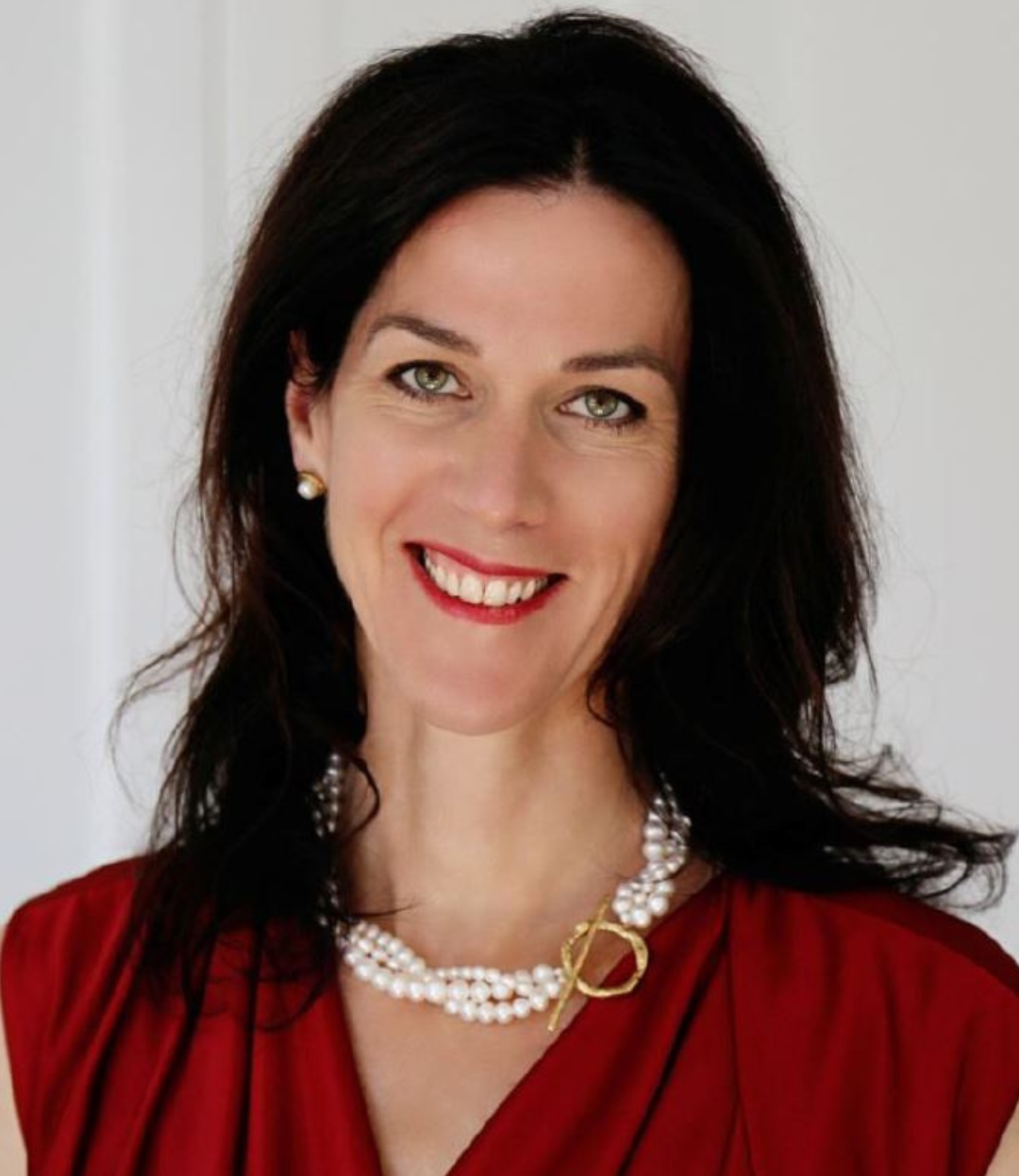
Kathryn Aalto is a New York Times bestselling author, historian, designer, speaker, and teacher of narrative nonfiction whose work often explores the intersections of story, history, and place. Her books include The Natural World of Winnie-the-Pooh (2015) and Writing Wild: Women Poets, Ramblers, and Mavericks Who Shape How We See the Natural World (2020), and others. She has contributed to Smithsonian, Outside, Buzzfeed, and other international publications. Her work has been widely reviewed around the world including in The Wall Street Journal, The Washington Post, and The New York Times.
For over twenty-five years, Kathryn has taught critical thinking and narrative nonfiction, blending rigorous technique with a personal touch. She lectures internationally, leads retreats across the US and UK, and has appeared in film and on TV. An award-winning arts administrator and former university lecturer, she has guided thousands of writers to develop their voices, refine their craft, and sustain their creative practices. Kathryn brings to her teaching a combination of literary depth, inspired guidance, and contagious enthusiasm for both the art and discipline of narrative on the page and the stage.
Kathryn has a BA in English from the University of California at Berkeley, a MA in Creative Nonfiction from Western Washington University, a Masters in Garden History from the University of Bristol, and a diploma in design from the London College of Garden Design.
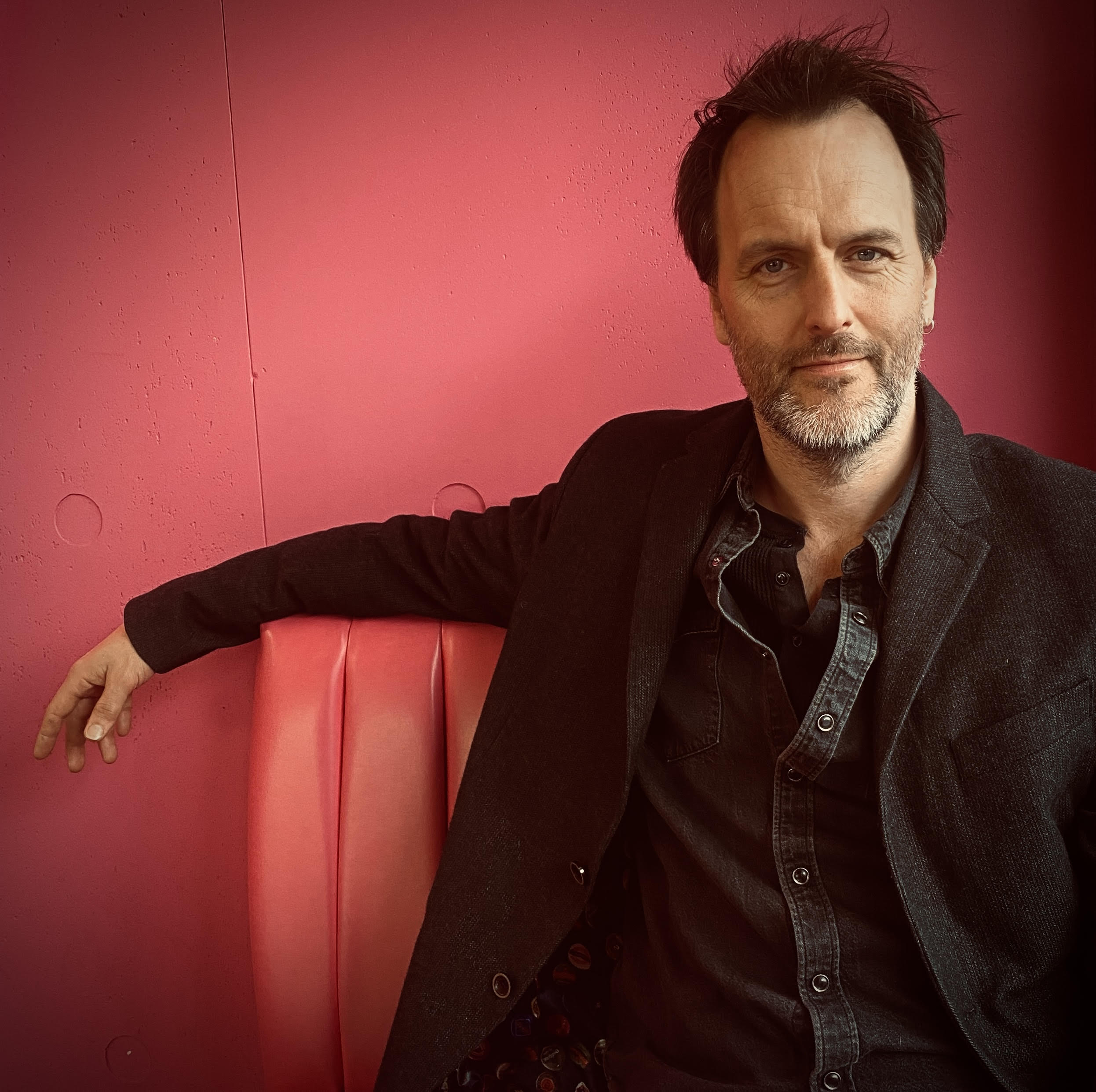
Jon Boden is one of the most influential figures in modern British folk music. In 2001, he began performing traditional English songs with melodeon player John Spiers. Together, they formed the duo Spiers & Boden, which grew into Bellowhead—a groundbreaking 11-piece folk band that became the most successful traditional folk ensemble of its generation.
In his various guises Jon won eleven BBC Radio 2 Folk Awards, more than any other artist, and introduced a new generation to the vibrancy of traditional music. At the height of the band’s success, Jon launched A Folk Song A Day (2010–11), an ambitious grassroots project in which he recorded and released one traditional song every day for a year. This innovative project celebrated unaccompanied song as a living, social activity and created an extraordinary digital archive of folk heritage.
In addition to his solo work and performances with his band The Remnant Kings, Jon has composed extensively for theatre, including productions at the Royal Shakespeare Company, and has pioneered “Colourchord,” a system for teaching four-part harmony singing in a communal, accessible way. His solo albums—Songs From The Floodplain (2009), Afterglow (2017), and Last Mile Home (2021)—form a post-oil concept trilogy that explores humanity, resilience, and landscape through song.
Jon studied Medieval History and Literature at Durham University and Composition for Theatre at the London College of Music. He holds honorary doctorates from both Durham and the Open University for his contributions to English folk music.
Jon has created a very special Spotify playlist for retreat participants.
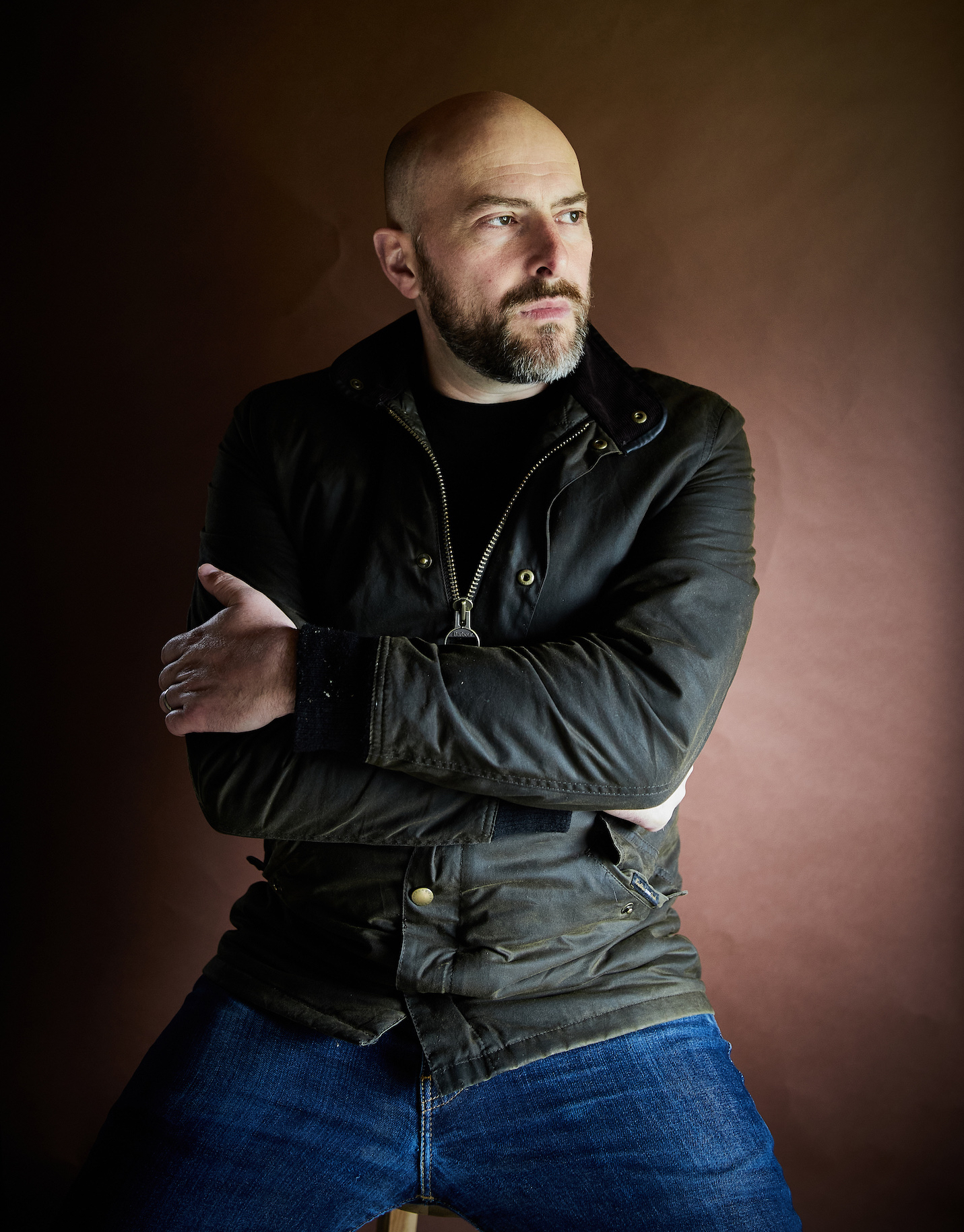
Rob Cowen is an award-winning writer and author, celebrated as one of the UK’s most original voices on nature, place and people. His first book, Skimming Stones, won the Roger Deakin Award from the Society of Authors.
His second, Common Ground (Penguin Random House 2015), was shortlisted for the Portico, Richard Jefferies Society and Wainwright Prizes and voted one of the nation’s favourite nature books of all time in a BBC poll. His follow-up, The Heeding (E&T; 2021), was the best-selling debut book of poetry in 2021.
His latest book The North Road (April 2025) was longlisted for the Wainwright Award and hailed a ‘masterpiece’ and a ‘a brilliant, radical, dazzlingly inventive work of literature’. It debuted as ‘Book of the Week’ on BBC Radio 4 and in the Observer, Telegraph, Financial Times and New Statesman. Rob lives in North Yorkshire.
Schedule
(subject to change … to something even better)
Friday, January 9
3:00 PM Check-in and explore gardens and countryside surrounding Ashley Court
5:30 PM Session 1 Welcome
6:30 PM Dinner
8-9 PM Session 2 After Dinner Talk with Rob Cowen
“The Edges of Place, The Edges of Self”
Rob Cowen has always written from the edges: edges of towns and wilds, edges of genres, edges of his own life. In this intimate after-dinner talk, he reflects on his unusual path into narrative nonfiction—beginning as a journalist, venturing into hybrid forms that blur memoir, reportage, poetry, and natural history, and steadily carving a voice that is both fiercely original and deeply human.
Rob will share how Common Ground emerged from daily walks at the fringe of a Yorkshire town and became a book that redefined what nature writing could be, why The Heeding chose poetry as its form in the midst of global crisis, and what his new book The North Road has taught him about narrative ambition and scale. Along the way, he’ll speak candidly about risk-taking in form, the discipline of sustained observation, and how to braid urgency, intimacy, and story to capture the times we live in.
For writers already steeped in craft, Rob’s reflections will offer both encouragement and provocation: to be bold in breaking form, to embrace the vulnerability of writing what feels urgent, and to remember that the richest nonfiction often arises not from pristine wilderness or faraway journeys, but from the overlooked places where human lives and the natural world collide.
Saturday, January 10
8–9:00 AM Breakfast
9–10:30 AM Session 3
Writing Place: Nature and Travel (Rob)
Award-winning writer Rob Cowen leads an immersive masterclass on capturing place with precision, lyricism, and depth. Moving beyond postcard description, he shows how to braid observation, memory, research, and narrative tension so landscapes become active characters rather than scenic backdrops. We’ll explore techniques for field notes that notice what others miss, ways to locate the human story within a habitat, and strategies for structure such as journey, mosaic, and seasonal arc. Expect close readings, generative prompts that take you from detail to meaning, and practical tools for voice, pacing, and sensory specificity—especially sound and weather, two often-neglected drivers of mood. You’ll leave with a mapped idea for a publishable essay or chapter, a repeatable place-based research toolkit, and a sharper sense of how to pitch nature and travel pieces to today’s editors.
10:30–11:00 AM Coffee Break
11:00–12:30 PM Session 4
“The Personal is Political: Writing into Urgency” (Katy)
Narrative nonfiction offers writers the chance to connect the personal with the urgent issues of our time. Whether addressing climate change, migration, inequality, or identity, nonfiction has the power to make the global intimate. In this session, we’ll explore how personal narratives can be crafted to illuminate larger truths, how writers can use their lives as entry points into cultural conversations, and how to balance activism with artistry. Participants will consider what stories they feel compelled to tell now, and why urgency can shape both voice and form.
12:30–1:30 PM Lunch
1:30–3 PM Session 5
“Embodied Writing: The Body as Source, Subject, and Metaphor” (Katy)
The body is central to human experience yet often overlooked in nonfiction. This session focuses on writing the body—its pleasures, pain, resilience, and vulnerabilities—as both subject and metaphor. From memoirs of illness to essays on endurance and sport, we’ll examine how the body becomes a narrative site for larger questions of identity, power, mortality, and belonging. Participants will be invited to consider their own embodied experiences as sources of story and insight, and how to write the body, their bodies, as mediums into their writing with honesty, precision, and lyricism.
3–3:30 PM Coffee Break
3:30-4:30 PM Session 6
“The Intimacy Economy: Memoir, Vulnerability, and Audience Connection” (Katy)
We live in an age that prizes intimacy—where podcasts, essays, and memoirs invite readers into deeply personal spaces. But where is the line between authenticity and oversharing? In this lecture, we’ll look at how writers of memoir and personal essays build trust with readers through vulnerability, while also considering the risks of commodifying one’s private life. Participants will reflect on how to write with openness without exploitation, how to balance revelation with restraint, and how genuine intimacy can create profound connections in contemporary publishing.
4:30–7:30 PM Your Time for Reflection and Connection
7:30 PM Dinner
8:30 PM Session 7 After Dinner Talk with Jon Boden
“The Creative Life: Purpose, Balance, and Perspective”
What makes art valuable, and how do we sustain a creative career over time? Jon challenges the assumption that originality is always the highest goal, proposing instead that usefulness and service can be as vital as novelty. He reflects on the exhilaration and challenges of a creative life, sharing candid insights into managing expectations, balancing passion with happiness, and prioritising projects when ideas are abundant, but time is finite. He also considers the more commercial side of creativity—seeing oneself as running a small business in which the product is one’s art—and how this perspective can help artists sustain both their work and their well-being.
Sunday, January 11
8–9:00 AM Breakfast
9–10:30AM Session 8
“Reviving Old Voices, Building New Worlds” (Jon)
How do we collaborate with artists from the past and bring their voices into dialogue with the present? Drawing on his deep knowledge of folk traditions, pre-20th century poetry, and songwriting, Jon Boden explores how old material can be reimagined, reframed, and revitalized. He also reveals how songwriters build entire imaginative worlds within a few verses, offering lessons for writers of all forms on using compression, resonance, and suggestion to enrich narrative landscapes.
10:30–10:45 AM Coffee Break
10:45–12:30 PM Session 9
In Conversation with Jon and Katy
An open, generous conversation with two different artists who have built resilient creative lives. Jon and Katy take your questions on craft, process, and the practical realities of sustaining work over time. Expect candid reflections on shaping voice, collaborating with the past (folk song, archive, landscape), structuring long projects, and balancing originality with usefulness. They’ll also discuss research habits, revision strategies, publishing pathways today, and the “small-business” side of a creative career—prioritising projects, protecting time, and finding the right listeners and readers. Bring questions about your current manuscript or idea; brief hot-seat queries are welcome. You’ll leave with grounded advice, a clearer sense of next steps, and a renewed confidence in the daily practices that make ambitious writing possible.
12:30-1:30 PM Lunch
1:30–3 PM Rituals and Mindsets for a Successful Writing Year (Katy)
January is a threshold, a moment to pause and imagine the year ahead. In this masterclass, Katy guides writers of narrative nonfiction in creating rituals and mindsets that sustain both creativity and well-being. We will explore how daily practices and seasonal rhythms can shape a writing life, how to set goals that are ambitious yet humane, and how to cultivate resilience when obstacles arise. The session will invite reflection on aligning writing with deeper values so that projects carry clarity and purpose. Each participant will also receive a booklet filled with prompts, exercises, and space to map out their intentions for the year. You will leave with practical strategies, renewed inspiration, and the confidence to step into 2026 with focus and creative intention.
3 PM Farewell Coffee and Dessert