
My students will recognise this. The first point I make in our first session of The Art of Narrative Nonfiction is about names: the difference between creative nonfiction and narrative nonfiction. The terms overlap, they are used interchangeably by people who should know better, and the difference is worth ten minutes of your attention because it will change how you pitch your work.
Here is the shortest answer I can give.
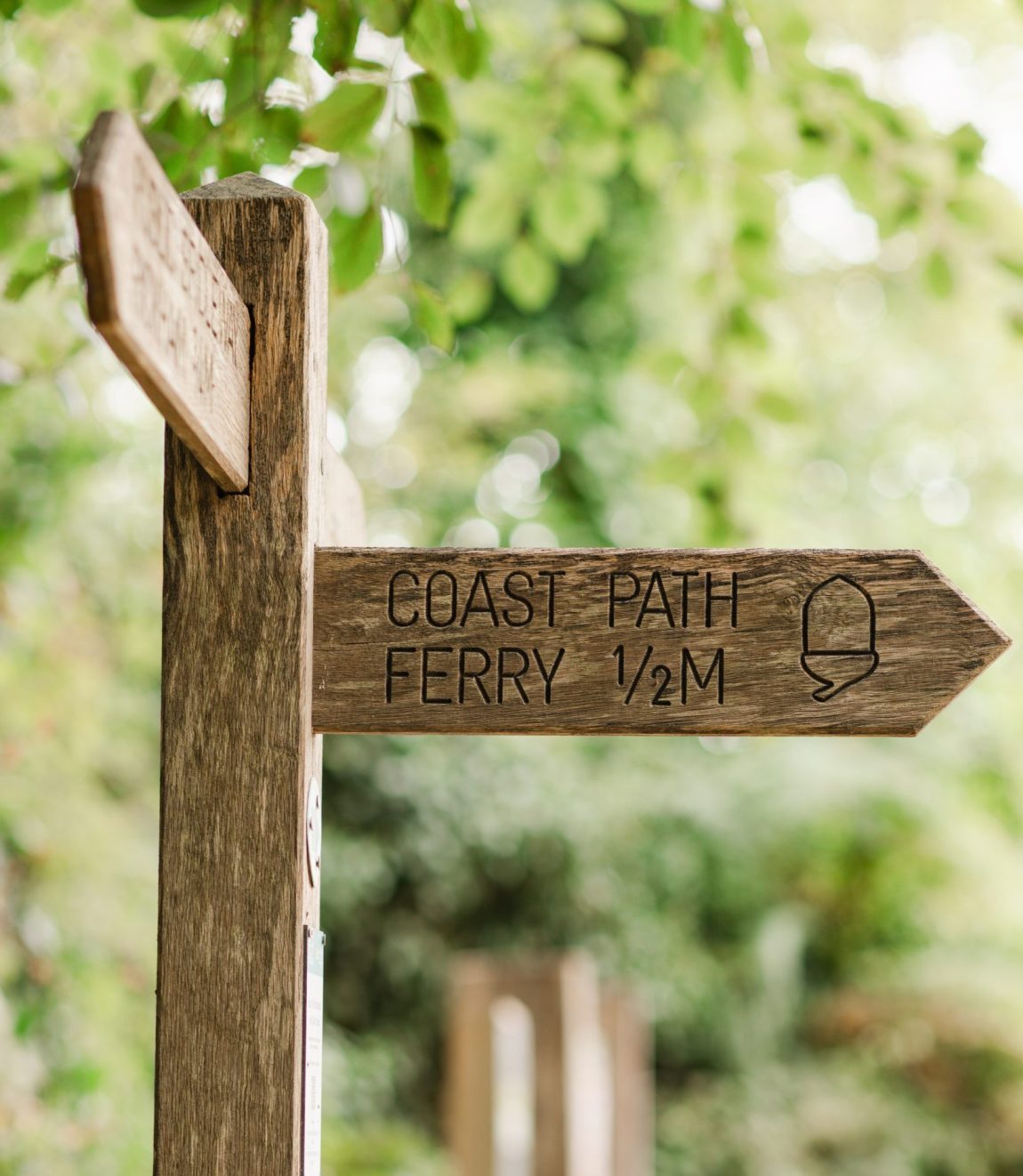
It is a matter of signs posts. Creative nonfiction points to the garden. Narrative nonfiction is the path that takes you through it.
Creative nonfiction is the larger territory
Creative nonfiction is an umbrella. Underneath it sit memoir, the personal essay, the lyric essay, literary journalism, biography, travel writing, nature writing, and the hybrid forms that refuse to sit anywhere at all.
What unites them is a double obligation. The work must be true — verifiably, ethically, unglamorously true — and it must use the techniques we associate with fiction and poetry to make that truth land. Scene. Image. Rhythm. Voice. A shaped sentence. The word creative refers to the method, never to the facts. These are true stories, well told in the words of creative nonfiction pioneer Lee Gutkind, often referred to as “the Godfather of creative nonfiction.” I have owned his books for close to thirty years.
That distinction matters more than any other in this field, and it is the one most often misunderstood.
Narrative nonfiction is a room inside it
Narrative nonfiction is the story-driven part of that house. It moves. Something happens, someone changes, and tension — which comes from an understanding of plot and structure, something I teach — carries a reader from one page to the next. It relies on scene rather than summary, on characters who want things, on an arc with a shape you could draw.
All narrative nonfiction is creative nonfiction. Not all creative nonfiction is narrative.
A lyric essay can be luminous and hold no story at all. It is still creative nonfiction. A meditation on light in a winter field, a braided piece circling a single image, a fragmentary book like Kathleen Jamie’s Cairn — these are unmistakably creative nonfiction, and they are not narrative in any conventional sense. They ask you to stand still in the garden rather than walk through it. That is a legitimate thing to ask.
Which word to use, and when
The two terms come from different rooms of the same building.
Creative nonfiction is the academy’s word. It is what MFA programmes are called, what the Association for Writers and Writing Programs uses, what Lee Gutkind built a magazine around. If you are looking for a course, this is the phrase to search.
Narrative nonfiction is publishing’s word. Agents use it. Editors use it. It signals a book with propulsion, one that will be shelved beside serious storytelling rather than reference. I actually teach both and you can
I make these distinctions through the assigned readings including the book I Know Why the Caged Bird Sings by Maya Angelou (a narrative nonfiction memoir) and essays including “Why Aren’t You Laughing?” by David Sedaris, “The Longest Way Home” by Andrew McCarthy, and “Death of a Pig” by E. B. White amongst others.
So: search for creative nonfiction. Pitch narrative nonfiction. And when you write your query letter, use the term the person reading it uses.
The question worth asking of your own draft
Not which category am I in but what is my reader doing?
If they are being carried — if they need to know what happens, and what happen next, and what happens after that — then you are writing narrative, and you should be thinking about arc, scene and stakes.
If they are being asked to look, and to keep looking, you are writing something else. It may be the better book. But you cannot build it on narrative machinery, and you will exhaust yourself trying.
Know which one you are making. Then make it properly.