

Narrative Nonfiction Masterclass Schedule
| Day | Class |
|---|---|
| Mon 24 Aug | Class 1: The Eight Pillars: An Introduction to Narrative Nonfiction |
| Tue 25 Aug | Class 2: Clearing the Ground: Building a Writing Practice |
| Wed 26 Aug | Class 3: Reading Like a Writer |
| Thu 27 Aug | Class 4: Recovering Your Voice: The ‘I’ in Your Writing |
| Fri 28 Aug | Class 5: Research for Writers |
| Sat 29 Aug | Class 6: First Words, Last Words: Beginnings and Endings |
| Sun 30 Aug | Class 7: The Editor’s Eye: Revising Your Own Work |
Tuesday, August 25
Clearing the Ground: Building a Writing Practice
Class Two of The Footpath · £50 · 4–6 PM BST · live online, recording included
Before the writing comes the writer. This class is about the ordinary week — the one with work in it, and other people’s needs, and a garden that wants attention — and how a serious writing practice survives inside it.
Most people do not stop writing because they lack talent or ideas. They stop because the practice was built on conditions that rarely arrive: a free morning, a quiet house, a clear head, the right mood. We begin by dismantling that. A practice that requires perfect conditions is not a practice; it is a hope. What we build instead is small, repeatable, and durable — something that moves the work forward every week whether or not you feel like a writer that day.
We will look at the actual mechanics: how long a session should be and why shorter is usually better; where to stop so that returning is easy; how to keep a notebook that you will genuinely reread; how to separate gathering from drafting from revising, so you are never asking your mind to do three incompatible jobs at once. We will talk about the writing room, wherever yours is, and about protecting time from the people who love you.
Then the quieter half of the subject: attention. Narrative nonfiction is made from noticed things, and noticing is trainable. I will show you the practices I use — field notes, the daily line, the habit of looking twice — that keep raw material arriving so the blank page is never truly blank.
And we will speak plainly about doubt, because it comes for everyone and it comes on a schedule. Knowing its shape is most of the defence.
What you will leave with
- A realistic weekly practice designed around your actual life, not an imagined one
- A method for keeping notes that feed the work rather than pile up
- Techniques for stopping and starting well — the hardest joins in any writing life
- A clear understanding of what to do on the days you cannot write at all
Who it is for
Writers who begin well and lose the thread. Anyone with a half-finished manuscript in a drawer. Beginners who want to build the habit correctly the first time rather than repair it later. Also — quietly — anyone who has been writing for years and suspects their practice is running on willpower alone.
Pre-reading: none. Bring your calendar for a typical week, and whatever you currently use as a notebook.
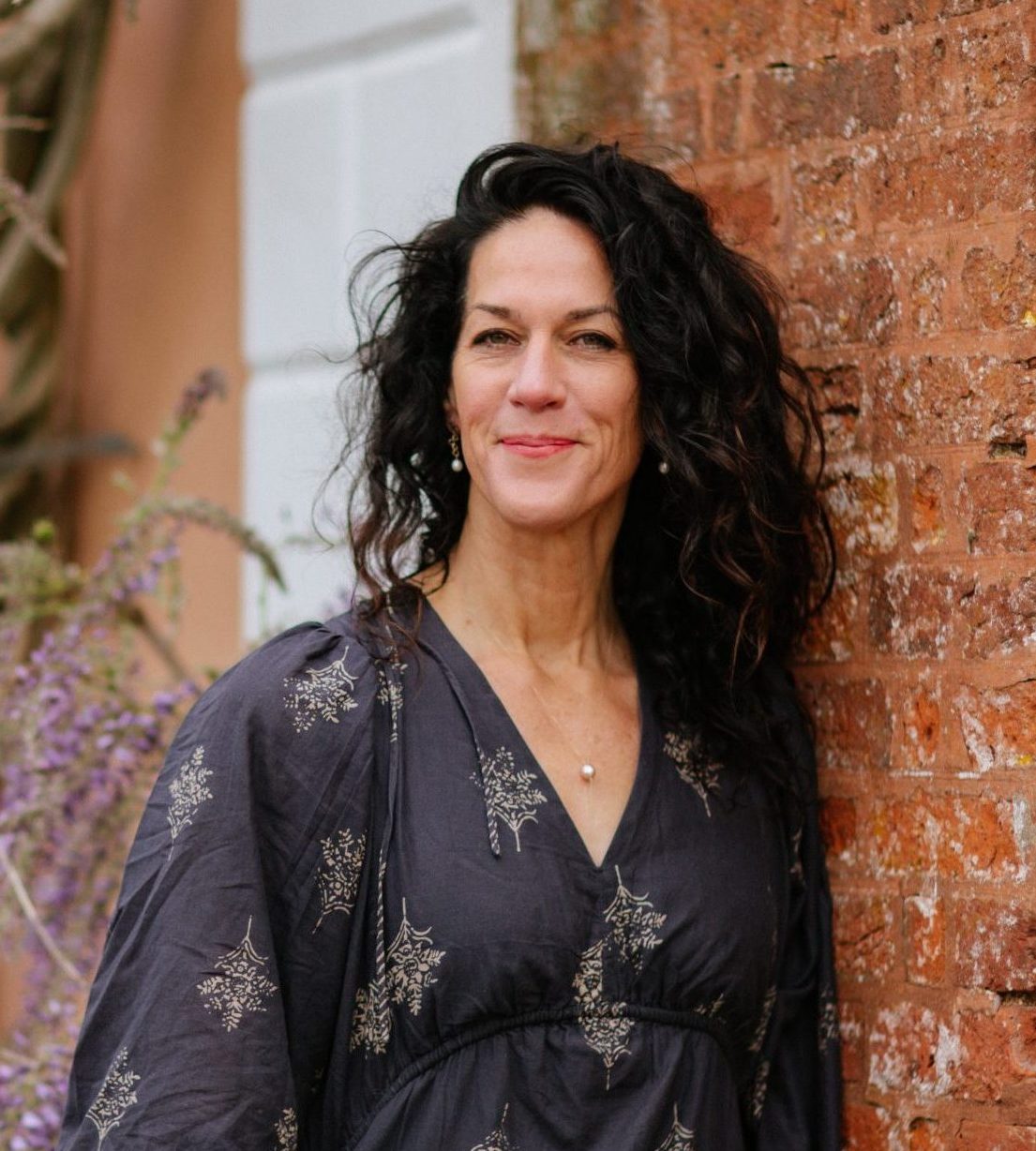
About Kathryn
Kathryn Aalto is a New York Times bestselling author, historian, and public speaker whose books include The Natural World of Winnie-the-Pooh and Writing Wild: Women Poets, Ramblers, and Mavericks Who Shape How We See the Natural World. From her home in Devon, England, she leads The Narrative Life, an international school of narrative nonfiction — many of her students beginning writers who arrived with nothing but a true story they needed to tell. Her teaching is grounded in her Eight Pillars of Narrative Nonfiction, a framework for turning real life into resonant story. She believes the writing life is not just a talent bestowed on the few but a path anyone can walk with excellent teaching — and she has spent her career showing people the way in through narrative nonfiction masterclasses, mentoring, and longer courses. Learn more about her upcoming autumn courses in narrative nonfiction and poetry here: Online Creative Nonfiction Writing Courses | Kathryn Aalto